

AI is no longer just found in research centers or tech start-ups. Indeed, AI has turned out to be a change force driving transformations in each and every field, changing how businesses create products, balance operations, relate to consumers, and project market trends..
1. AI in manufacturing: Smart factories and predictive maintenance
One of the first sectors to embrace AI is the manufacturing industry, particularly with the fourth industrial revolution. We are seeing artificial intelligence systems revolutionize the way production lines are run with predicted maintenance, quality control, and even robot automation.
Possibly, the most impactful use of AI technology is in predictive maintenance, which is relevant to the manufacturing industry. Generally, current schedules used for the maintenance of equipment are based primarily on time intervals or equipment failure. On the other hand, the utilization of machine learning technology allows for the implementation of data gathered from sensors installed in equipment, which enables predictive failure of the equipment. For instance, in Germany, a milk processing plant utilizes a Siemens application of artificial intelligence to enable continuous operation all year round.
Quality control has equally been affected by the introduction of computer vision and the emergence of a machine learning concept. For instance, the AI machines have the capacity to identify faulty products precisely and in a much shorter period compared to other machines. For example, BMW is using image recognition AI to detect faulty stages in the assembly of cars.
2. Supply chain optimization: From forecasting to logistics
Supply chains are complex systems that involve many stakeholders, large volumes of data, and an unmanageable number of variables. AI is proving indispensable in streamlining all aspects of the process.
AI-enabled demand forecasting allows companies to predict customer demand like never before. IKEA, has implemented a tool known as Demand Sensing, which uses AI to analyze up to 200 sources of data per product, such as shopping patterns during festivals, seasonal change, weather forecasts, salary payment schedules, among other things, to predict demand.
Another important area is the field of route optimization, in which AI is adding immense value. For instance, the American courier package delivery company UPS has managed to save millions of gallons of fuel due to their AI system named ORION (On-Road Integrated Optimization & Navigation), which optimizes the routes of over 66,000 vehicles daily.
Similarly, supply chain risk management has become much more efficient with the help of AI. The current COVID-19 health issues have shown the risks of changes in the supply chains of most organizations globally, and companies are using AI to keep track of changes in geopolitics, climate, and the health of their companies. Maersk is a container shipping company using AI to forecast risks in supply chains to run operations even in the worst possible scenarios.
3. Customer experience: Personalization at scale
Artificial Intelligence is already transforming the way in which businesses interact with their customers to promote hyper-personalization services to improve their levels of satisfaction.
In fact, AI-based recommender systems have nowadays become critical technology in the retail industry. For example, both Netflix and Spotify apply AI to study the viewer and listener patterns of their customers and provide personalized recommendations about content.
Dynamic pricing with the help of AI allows organizations to optimize the generated revenue. Airlines, hotels, and ride-sharing services (such as Uber) apply AI technology in dynamic pricing.
4. Product design and R&D: Accelerating Innovation
AI facilitates quicker innovation due to faster research and development processes, thereby bringing products to the market even faster.
Drug discovery is being transformed by AI, which can analyze vast datasets to identify potential drug candidates much faster than traditional methods. Pfizer and Moderna leveraged AI during the COVID-19 pandemic to accelerate vaccine development. AI algorithms analyzed protein structures and predicted immune responses, significantly shortening the timeline from discovery to clinical trials.
AI is also being helpful in material science. Companies like BASF employ machine learning methods to find materials that have a certain property. This reduces the trial-and-error process that would consume a lot of time and money.
To conclude, artificial intelligence represents more than a technological upgrade; it signals a profound shift in how value is created and decisions are made in modern organizations. By combining data, automation, and advanced analytics, AI empowers companies to move from reactive strategies to proactive and even predictive approaches.
2 Key Figures
$15.7 trillion
AI is expected to contribute $15.7 trillion to the global economy by 2030, with the greatest gains coming from increased productivity and consumption-side effects.
30-50%
AI-powered predictive maintenance can reduce equipment downtime by 30-50%.
3 startups to draw inspiration from
This week, we identified three startups that we can draw inspiration from:

Aiomatic
This German startup develops a digital maintenance assistant platform designed to prevent unplanned production downtimes.
Read more
IPercept
This Swedish startup boosts production and maintenance teams with an AI assistant that gives them the insights they need to improve machine reliability, quality, and capacity.
Read more
Manex AI
Munich-based startup Manex AI is transforming industrial quality management and process steering with its manufacturing optimization agents.
Read more
Interested in a startup landscape or in an insights report?
Please fill out our contact form so that we can get back to you very quickly with our product offer.
Want to subscribe to our 123Fab?
Fill out our form to receive the latest insights into your inbox.
123Fab
1 topic, 2 key figures, 3 startups to draw inspiration from

Because electricity is the main cost of computing, data centers are becoming the world’s fastest innovation engine for energy efficiency, and industry will benefit.
Data centers are often criticized for how much electricity they consume, and that criticism is justified. Nevertheless, it overlooks another an indirect innovation perk: as electricity is the main direct cost of running a data center and power directly determines their profitability, data center operators are trying to use it more efficiently. This is why the expected $5 trillion investment in computing infrastructure is not only for building more servers, but also for making those servers as energy-efficient as possible.
To improve their margins and keep up with the demand driven by AI, data centers are rapidly improving chips, cooling systems, and software that controls how electricity is used. These efficiency gains are happening faster than in most other industries, precisely because energy costs are so central to their economics and because the demand is increasing so rapidly, making it a such a strong investable sector.
These energy-efficiency innovations are already spreading to other sectors. Telecom is an early example. As 5G networks pushed electricity demand higher, operators such as AT&T (US telecom) began using GPUs (Graphics Processing Units) originally developed for data centers to run network equipment more efficiently, cutting power use and operating costs by around 20%, according to an Nvidia case study.
In this article, we focus on two questions:
- What pillars are used to improve the energy efficiency of data centers?
- Which technologies could benefit from this investment wave, and how far will these gains extend into industry, manufacturing, and utilities?
The data center energy trend in numbers:
In 2024, data centers consumed approximately 415 TWh of electricity globally, roughly 1.5% of total electricity consumption. Geographically, the United States accounts for 45%, followed by China (25%) and Europe (15%).
Data center energy use has grown at 12% annually over the last five years, four times faster than total global demand, according to the International Energy Agency (IEA). These projections indicate this could reach 945 TWh by 2030 (nearly 3% of global demand).
Why does energy efficiency matter?
Despite high growth projections, the relationship between digital activity and energy use within our data centers is not linear.
Between 2005 and 2024, while internet traffic increased from 1 to 5.5 billion users and the digital economy’s share of GDP surged, data center energy use only rose from 1% to 1.5% of global demand. Historically, efficiency gains have prevented digital growth from triggering a proportional explosion in energy demand.
The three pillars of data center efficiency innovation
- Next-generation hardware
Each new generation of chips becomes much more energy-efficient than the previous one. For example, the current Nvidia B200 GPU uses 60% less energy per unit of computing than the previous generation, which itself was 80% more efficient than the one before. These chips are not used only in data centers; they also make robots and factory automation systems more energy efficient.
- Intelligent software
AI-powered tools are increasingly used for predictive maintenance and heat management in an industrial context. In a landmark case in 2016, DeepMind reduced Google’s cooling costs by 40% using its machine learning algorithm on its own servers.
- Integrated systems
The integration of optimized hardware with intelligent software management yields even better results. Today, industrial giants like Siemens and GE are applying these algorithms combined with custom hardware to reduce manufacturing energy use by 15-20%, thanks to predictive maintenance and real-time energy efficiency improvements.
From server to factory floor: five technologies already crossing over
Technologies first developed for data centers are now allowing new heavy industry usage. Both settings face similar challenges, managing complex systems, high energy use, and cooling or process optimization. Thus, improvement in data centers should be transferable to those industrial cases.
The following five technologies are examples of how improvement into the pillars are being put to work on the factory floor:
| Data Center Pillar | Industrial Crossover | How they link |
| Next-gen Hardware | Digital Twins | Powerful chips allow factories to run complex virtual simulations. |
| Intelligent Software | Process & Thermal Optimization | AI that cools servers is now used to manage furnace heat and pump speeds. |
| Integrated Systems | Predictive Maintenance & Smart Grids | Combining sensors with AI helps factories predict repairs and balance power use. |
- Predictive maintenance
Machine learning models originally designed to monitor servers (e.g., the example of DeepMind data centers) can now predict failures in industrial equipment before they happen by analyzing sensor data (vibrations, temperature, power draw).
Example: Siemens’ AI-driven maintenance platform identifies early signs of bearing wear in motors, cutting maintenance costs and lowering energy use in manufacturing lines.
- Real-time process optimization
Software that adjusts cooling, airflow, and load balancing in data centers now helps optimize industrial process parameters, furnace temperature, compressor load, or pump speed, in real time. These AI optimizers can lower the energy intensity of industrial processing plants by 5-15%, and increase EBITDA by 3-5%, according to McKinsey.
- Digital twins and simulation tools
Digital twins, realistic virtual models of physical assets, were first used for data center planning and fault forecasting. In a factory, these digital replicas simulate production lines to test process improvements safely and improve resource flows. Plants using digital twins often achieve up to 10% energy savings.
- Smart grid and demand response systems
Cloud computing-inspired dynamic energy scheduling systems now balance industrial electricity loads with real-time grid conditions. AI can plan when to run high-consumption equipment during periods of low cost or high renewable energy availability, reducing total energy use by 5–20% according to the IEA calculations.
Example: BASF’s chemical plants in Europe integrate AI platforms that shift noncritical processes to coincide with peak renewable power supply, lowering both emissions and costs.
- Thermal management technologies
High-efficiency cooling from data centers, such as liquid cooling and waste heat recovery, is being adapted for heat-intensive manufacturing. These techniques capture waste heat from furnaces and reuse it for pre-heating or other steps, minimizing total fuel input.
To conclude, while data centers are indeed an energy pit, electricity being the dominant operating cost, they are becoming one of the world’s most well-funded R&D labs for energy efficiency innovation worldwide. And of course, these advancements will not remain confined to server halls. As shown in telecom, manufacturing, chemicals, and utilities, some technologies developed to minimize data center energy use are now already finding new usage in other energy-intensive industries, where even small percentage gains translate into big absolute savings.
2 Key Figures
945 TWh
Projected global electricity consumption of data centers by 2030, representing just under 3 percent of total global demand and equivalent to twice France’s current electricity consumption.
$5 trillion
Expected spending on AI-related infrastructure over the next five years, an amount roughly equivalent to Germany’s 2025 GDP.
3 startups to draw inspiration from
This week, we identified three startups that we can draw inspiration from:

NLM Photonics
Recently closed a Series A (Jan 2025). Their organic electro-optic modulators enable up to a 30% reduction in network power consumption and can be manufactured in standard CMOS fabs.
Read more
Lightmatter
Following a $400M Series D (Oct 2024), they are commercializing photonics-based computing, using light instead of electricity to perform calculations with drastically lower thermal output.
Read more
EcoDataCenter
Focuses on climate-positive data centers by utilizing Nordic cold climates and integrating waste heat recovery into district heating networks.
Read more
Interested in a startup landscape or in an insights report?
Please fill out our contact form so that we can get back to you very quickly with our product offer.
Want to subscribe to our 123Fab?
Fill out our form to receive the latest insights into your inbox.
123Fab
1 topic, 2 key figures, 3 startups to draw inspiration from

Until recently, the main conversation around data centers focused primarily on reducing their environmental footprint: transitioning to renewable energy, improving Power Usage Effectiveness (PUE), and optimizing cooling systems. These efforts remain crucial, but the landscape is shifting.
Data centers are rapidly becoming deeply integrated into both local and national energy systems, playing an increasingly strategic role in grid stability and energy flexibility. This transformation not only impacts the way data centers consume energy but also how they can contribute to a more resilient and balanced energy infrastructure. Rather than merely absorbing power, data centers are now playing a pivotal part in balancing supply and demand, enabling the integration of renewable energy, and even creating new industrial symbioses. Here’s how:
1. Demand Response: Leveraging Renewable Energy to Drive Efficiency
Data centers, especially those operated by major tech companies like Google, are employing advanced systems such as carbon-intelligent computing to dynamically adjust their workloads in response to the availability of local solar and wind energy. By syncing their computing power with times of high renewable generation, Google reduces its energy demand during periods of low renewable production and maximizes energy use when renewable sources are abundant. This ability to adapt to fluctuating energy conditions means that data centers are no longer just passive consumers but active participants in managing the grid’s load, helping to integrate renewables more effectively into the overall energy mix.
2. Grid Balancing: Data Centers as Auxiliary Services Providers
Tech giants like Microsoft are experimenting with innovative solutions to turn their data centers into grid-supporting assets. One such approach is using data center batteries in a grid-interactive UPS mode, in collaboration with Eaton, to provide auxiliary services to the electrical grid. These services include regulating frequency and voltage, ensuring stability during times of peak demand or grid instability. The ability of data centers to act as “shock absorbers” for the grid through energy storage and balancing offers a significant step forward in making energy systems more resilient and flexible.
As part of this, Microsoft’s batteries could offer energy back to the grid during periods of excess demand, helping stabilize the grid while also benefiting from economic incentives. This kind of grid interaction transforms data centers from isolated consumers of energy into active, responsive entities that aid in maintaining grid stability.
3. Decentralized Production & Self-Consumption: A Move Toward Energy Independence
Amazon is another key player exploring decentralized energy production. The company is integrating renewable energy projects such as wind farms and storage systems directly into their energy supply chains for data centers. This integration not only helps stabilize energy availability but also reduces the reliance on centralized power grids. In doing so, Amazon is creating a more self-sufficient energy ecosystem, where their data centers can operate with a greater degree of energy autonomy, even in the event of grid disruptions.
In addition to reducing operational costs and environmental impact, this approach aligns with the growing trend of self-consumption and local energy production, where data centers both produce and consume the energy they need. This decentralization of energy sources supports broader national efforts to transition to more resilient and sustainable energy infrastructures.
4. Waste Heat Recovery & Industrial Symbiosis: Turning Energy Loss Into Value
Some data centers are going beyond simply consuming and generating energy—they are also innovating in how they use the waste heat produced by their operations. Qarnot Computing, for example, has pioneered the concept of energy symbiosis by using excess heat from its servers to warm residential buildings, office spaces, and even swimming pools. This process of waste heat recovery transforms what would otherwise be a byproduct of data center operations into valuable local heating energy, further enhancing the sustainability of their operations.
This symbiotic approach to energy usage also supports local economies by providing affordable heating to nearby communities, reducing the need for traditional heating methods like gas or electricity, which can be more resource-intensive.
5. Integrating Data Centers into National Grid Systems: A Strategic Experimentation
As energy systems evolve, so too does the role of data centers in maintaining grid stability. RTE, the French transmission system operator, along with Data4 and Schneider Electric, is leading a groundbreaking project in Marcoussis to experiment with flexible data center management. The goal is to ensure that if there are disruptions to a data center’s energy supply, it won’t disrupt the broader stability of the electrical grid. This is especially important as data centers are projected to represent 4% of electricity consumption in France by 2035.
The RTE-Data4-Schneider Electric collaboration is Europe’s first large-scale experiment in integrating data centers into the national energy system. It focuses on testing the ability of data centers to interact dynamically with the grid, allowing for a more seamless integration that could prevent potential issues from arising when large numbers of data centers are connected to the system. This project could pave the way for a new standard in managing the energy consumption and supply of data centers, ensuring grid stability even as their numbers and energy needs increase.
Conclusion: A New Era for Data Centers
Data centers are no longer just the massive energy consumers they once were. They are emerging as key players in the energy landscape, contributing to the stability and flexibility of our energy systems. As they increasingly integrate with renewable energy sources, offer grid-balancing services, and help create local energy symbioses, they are redefining the concept of what a data center can be.
This shift represents a crucial step in the transition toward a more resilient, sustainable energy future, where data centers are no longer viewed solely through the lens of consumption, but as active participants in shaping the energy ecosystem. The strategic role they play in energy systems will only continue to expand, making them essential not just for powering the digital economy but for helping to drive the broader transformation of global energy infrastructure.
2 Key Figures
3 days
A new data center opens every 3 days
70%
Projected growth in AI electricity consumption through 2027
3 startups to draw inspiration from
This week, we identified three startups that we can draw inspiration from: Qarnot Computing, Iceotope and Netsooon.ai.

Qarnot Computing
A French start-up, that has developed an innovative technology, which combines computer servers and mechanical equipment to capture the waste heat generated by the servers and repurpose it for use in heating systems.
Read more
Iceotope
Iceotope is redefining the future of data center cooling with its precision liquid cooling solutions, specifically designed for the era of AI and ultra-high-density computing, offering energy-efficient and sustainable cooling technologies.
Read more
Netsooon.ai
A deep tech start-up specializing in artificial intelligence, Netsooon.ai developed DataGreen, combining eco-friendly GPUs, cooling systems, and AI expertise to optimize energy efficiency, reduce carbon footprint, and enhance data center performance through the circular use of residual heat.
Read more
Interested in a startup landscape or in an insights report?
Please fill out our contact form so that we can get back to you very quickly with our product offer.
Want to subscribe to our 123Fab?
Fill out our form to receive the latest insights into your inbox.
123Fab
1 topic, 2 key figures, 3 startups to draw inspiration from

France’s Extended Producer Responsibility (EPR) framework, based on the “polluter-pays” principle, holds companies accountable for the entire life cycle of these products, from design to end-of-life.
While EPR has existed in France since 1975, it gained traction in 1992 with the household packaging decree and has since expanded to include sectors such as batteries, paper, and electrical and electronic equipment.
The major new development for 2025 is the expansion of this system to include industrial and commercial packaging (Emballages Industriels et Commerciaux – EIC). This marks a significant regulatory evolution, applying the “polluter-pays” principle to B2B packaging waste for the first time. The goal is to improve waste collection, sorting, and recycling while encouraging producers to reduce material use and invest in sustainable alternatives.
What types of packaging are affected?
The scoping study for the upcoming EPR scheme highlights that professional packaging is used across all business sectors:
- Chemical and pharmaceutical
- Cosmetics and personal care
- Manufacturing
- Textile
- Automotive
- Construction
- Transport and logistics
- E-commerce
Professional packaging includes all material used in a B2B context, including:
- Sales packaging: cans, sachets, big bags, metal drums, etc.
- Grouping packaging: cardboard boxes, plastic wrap, etc.
- Transport packaging: pallets, crates, etc.
This new regulatory framework goes beyond waste management. It is already influencing internal strategic decisions across affected industries. The obligation to manage and finance end-of-life packaging will necessarily drive companies to reconsider their materials usage, explore circular models, and implement innovative packaging solutions.
Before considering reuse, recycling or new materials, the top priority remains sobriety (i.e. reducing packaging at the source). Minimizing packaging volume and eliminating unnecessary materials is the most effective way to reduce environmental impact, and often the most cost-efficient.
Key solutions for a circular packaging system
- Reusable packaging
One of the most impactful solutions lies in reusable packaging systems. These systems drastically reduce demand for raw materials and eliminate single-use packaging by encouraging reuse cycles.
As an example: Loop partners with major brands like Nestlé to distribute products in durable, reusable containers. Once used, the packaging is collected, cleaned, and refilled—minimizing waste and optimizing material use.
- Recycled materials and bioplastics
Switching to recycled or bio-based materials can significantly reduce the environmental burden of packaging. These alternatives, often recyclable themselves, support circularity and reduce reliance on fossil-based plastics.
French startup Carbios is pioneering enzymatic recycling, a breakthrough technology that breaks down PET plastics into their base components for infinite reuse. This innovation could redefine how industries handle plastic waste.
- Packaging management tools
Smart tools can help companies monitor, reduce, and optimize their packaging usage. Digital platforms and traceability systems ensure compliance with evolving EPR regulations while making sustainability efforts more transparent.
Blockchain, for instance, can facilitate the tracking of reusable packaging throughout its life cycle, allowing companies to verify returns and reward responsible practices.
- Modular packaging
Modular packaging systems enable businesses to create packaging that fits products precisely—reducing excess material, cutting storage costs, and streamlining transport.
Packsize offers on-demand packaging solutions, allowing companies to custom-size boxes for each shipment. E-commerce players like Amazon already use this approach to reduce void fill and improve shipping efficiency.
- Natural materials
Packaging made from natural plant-based fibers—such as straw or hemp—offers a renewable, biodegradable alternative to conventional materials.
Startups like Xampla, develop plant-based materials that can replace single-use plastics. Their products, derived from pea protein, are biodegradable and suitable for various industries.
Looking ahead
As the new EPR law reshapes the industrial packaging landscape, companies are being called to adapt—not only to comply, but to lead. Circular packaging solutions like reusable systems, bio-based materials, smart management tools, and precision-fit packaging are already demonstrating how innovation and regulation can go hand in hand.
By embracing these sustainable alternatives, businesses can reduce their environmental footprint while building more resilient, future-ready supply chains.
2 Key Figures
7.5 million
tons of professional packaging were placed on the French market in 2024
7%
the rate of re-use of professional packaging in France
3 startups to draw inspiration from
This week, we identified three startups that we can draw inspiration from: Pandobac, Xampla & Lactips.

Pandobac
This French startup offers a turnkey service for the rental, tracking, and washing of reusable transport crates. The solution is tailored for B2B flows between food industry players—whether between manufacturers, retailers, or out-of-home catering providers. It enables companies to reduce single-use packaging while simplifying reverse logistics.
Read more
Xampla
A british startup that, manufactures plant-based, biodegradable packaging materials. Its product range includes stretch films, wrapping papers, and microcapsules—suitable for applications from homecare and cosmetics to packaging.
Read more
Lactips
Lactips produces water-soluble and biodegradable thermoplastic pellets using casein, a milk protein. The pellets can be used to make all sorts of packaging material.
Read more
Interested in a startup landscape or in an insights report?
Please fill out our contact form so that we can get back to you very quickly with our product offer.
Want to subscribe to our 123Fab?
Fill out our form to receive the latest insights into your inbox.
123Fab #101
1 topic, 2 key figures, 3 startups to draw inspiration from
Catalysts are substances that increase the rate of a chemical reaction without being consumed in the process. They are the unsung heroes of the industrial world and have become indispensable in a wide range of industries: chemical, pharmaceutical, petrochemical, automotive, etc. One of the best-known applications is the catalytic converter in motor vehicles, which transforms toxic gases into less harmful pollutants.
Today, they play an important role in decarbonization, with a wide range of applications, including the following:
- Production of renewable fuels: Catalysts enable the conversion of renewable raw materials, such as vegetable oils or organic waste, into sustainable fuels such as biodiesel or bioethanol.
- Green hydrogen: Catalysts are at the heart of green hydrogen production through water electrolysis. Until today, the most applied catalysts in the production of green hydrogen are noble metals such as platinum and iridium, but research is in process to find cheaper and more sustainable alternatives
- Biomass conversion: Biomass can be valorized into useful chemicals and fuels via catalysts, hence reducing further the dependance on fossil feedstock and lowering the carbon footprint of the chemical industry.
- Plastic recycling: Catalysts play an important role in chemical plastic recycling. They offer a way for the depolymerization of the polymer into its basic monomers, which can then be reused to manufacture new plastics. A good example is the enzymatic process for the recycling of PET developed by the French company Carbios.
- CO₂ conversion and utilization: Advanced catalytic processes are being developed to convert CO₂ into valuable products like fuels, polymers, and chemicals. These innovative reactions could turn carbon emissions into a raw material, and then close the carbon use loop.
However, while catalysts provide considerable environmental benefits in use, many have resource-intensive and polluting manufacturing processes. As an example, mining and processing precious metals, widely used in catalytic converters, like platinum or palladium, are often associated with ecological damage, including habitat destruction and water contamination. It is therefore crucial to find and develop new, more sustainable alternatives.
Emergence of new catalysts with lower environmental impact
To meet sustainability requirements, companies in the chemical industry are actively seeking catalytic solutions with lower environmental impact. For instance, BASF has established a Catalysts Innovations Platform dedicated to identifying more sustainable catalysts. In this context, various approaches and types of catalysts are emerging, each offering specific advantages to help achieve the industry’s sustainability goals:
- Biocatalysts, sometimes referred to as “nature’s catalysts “or enzymes are intrinsically sustainable. Their use allows to produce organic molecules in a milder manner compared to traditional chemical methods. For instance, Novozymes offers biocatalysts for biofuel production. Additionally, Solvay utilizes biocatalysts in the manufacturing of some of its polymers.
- Nanocatalysts offer several benefits compared to their traditional counterparts: the nanometric dimension offers a much better structure-performance ratio, which increases their catalytic activity and selectivity, and reduces energy consumption and the cost of chemical processes. Gen-Hy is a start-up developing catalysts based on nickel nanoparticles.
- Catalysts with abundant metals: Research is moving towards the use of more abundant and less expensive metals, such as iron, to replace precious metals like platinum. Gen-Hy, for instance, develops high-performance catalysts based on nickel nanoparticles, an abundant and inexpensive metal, to replace platinum and iridium in certain applications.
- Photocatalysts are catalysts that accelerate chemical reactions by absorbing light. This technique can be applied in interesting ways in the context of energy transition, particularly for the chemical trapping of CO₂. Researchers from the Institut lumière matière in Lyon and the Institut des sciences chimiques de Rennes are working on molybdenum aggregates, an abundant and inexpensive metal, as an alternative to noble metal-based photocatalysts.
- Ecocatalysts are quite new in sustainable chemistry. They are derived from plants that have naturally accumulated metals present in their environment during the phytoremediation process. Bioinspir has developed, for instance, ecocatalysts derived from plants for the responsible synthesis of cosmetic and perfumery ingredients.
2 Key Figures
6%
The chemical sector is responsible for approximately 6% of global CO2-equivalent emissions
$22.30 billion
The global industrial catalyst market size was nearly $22.30 billion in 2023
3 startups to draw inspiration from
This week, we identified three startups that we can draw inspiration from: Gen-Hy, Entalpic, Cascade Biocatalysts.

Gen-Hy
A French start-up specializing in green hydrogen production has developed high-performance catalysts free of noble metals. Using an innovative formulation based on nickel nanoparticles—an abundant and affordable metal—it offers a new path toward more sustainable and cost-effective hydrogen production.
Read more

Entalpic
Founded in 2024, Entalpic is a French startup at the forefront of generative AI technology for the chemical industry. The company’s advanced AI platform designs catalysts to optimize chemical processes in areas like energy storage, fertilizer production, and pollution control, blending open and proprietary research.
Read more

Cascade Biocatalysts
Denver-based startup Cascade, specializing in enzyme-based processes, uses its Body Armor for Enzymes™ technology to drive greener, cost-effective chemical reactions that reduce greenhouse gas emissions. Its projects encompass diverse areas, including CO₂ capture, fragrance production, and wastewater treatment, highlighting the broad commercial potential of biocatalysts.
Read more
Interested in a startup landscape or in an insights report?
Please fill out our contact form so that we can get back to you very quickly with our product offer.
Want to subscribe to our 123Fab?
Fill out our form to receive the latest insights into your inbox.
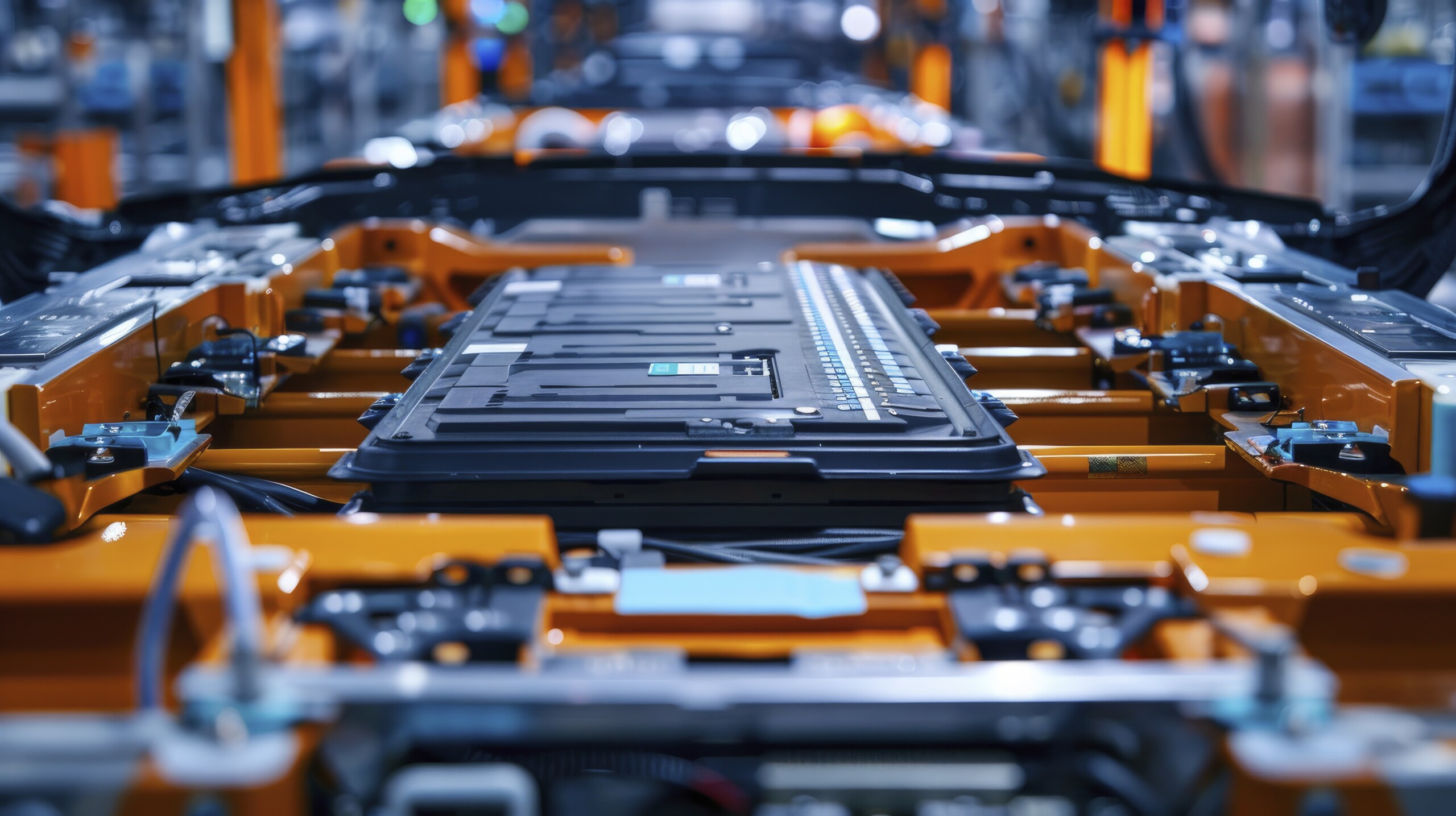
Context
Our client has developed a strong innovation activity to fuel its transformation. In this context, our client asked us to explore market demand for a new offering in dismantling and extracting valuable components from lithium-ion batteries.
Mission
We carried out a study to define the go-to-market strategy:
- Map of the second-life battery value chain, from manufacturing to end-of-life
- Segmentation of second-life component buyers
- Real-world applications of second-life components
- Interviews with 8 potential customers on interest and technical needs
- List of existing technical standards for selling second-life battery cells
- Review of the EU battery regulation compliance
- Recommendations on the go-to-market strategy and prioritization of potential customers to address first
Key figures
27
Key players identified
4
Target customer groups
8
Interviews conducted
1
Go-to-market strategy defined
123Fab #100
1 topic, 2 key figures, 3 startups to draw inspiration from
In today’s rapidly evolving agricultural landscape, regenerative agriculture has emerged as a transformative approach to address the pressing challenges of climate change, soil degradation, and biodiversity loss. This innovative methodology, first introduced in 1983 by Robert Rodale, offers concrete solutions to restore ecosystems and ensure the long-term viability of farming.

What is Regenerative Agriculture?
Regenerative agriculture is a holistic approach designed to regenerate critical resources such as soil, water, air, and biodiversity while boosting farmers’ incomes. By using regenerative farming methods, farmers can restore the natural balance of their ecosystems, leading to healthier soil, lower CO₂ emissions and increased resilience against extreme weather events like droughts and floods.
Key solutions in Regenerative Agriculture
Soil Regeneration
Soil health is the foundation of regenerative agriculture. While traditional methods like crop rotation, cover cropping, and reduced tillage remain effective, innovative techniques are emerging to further improve soil fertility:
- Precision agriculture: data-driven tools optimize farming practices. For instance, Assolia enables farmers to fine-tune crop rotations and soil management based on real-time insights into soil conditions.
- Biochar application: this form of charcoal produced by heating organic material in a low-oxygen environment, enhances soil quality, improves water retention and contributes to carbon sequestration. Companies such as NetZero and Poas Bioenergy manufacture it.
- Microbial solutions: biostimulants and biofertilizers from companies such as Veragow and Mycophyto offer natural alternatives to synthetic fertilizers, promoting soil fertility and plant health.
Water Regeneration
Water is a precious resource, yet is often taken for granted. Regenerative agriculture emphasizes the importance of efficient water use and regeneration through:
- Optimized irrigation: ensures crops receive the exact amount of water needed, reducing waste. For example, Unilever has implemented this in its Spanish tomato supply chain using soil moisture sensors, weather stations and data analytics software production to provide accurate data on water requirements.
- Water recycling: involves collecting, treating, and reusing water on the farm, through techniques such as simple filtration, artificial wetlands (which naturally filter and treat wastewater), and reverse osmosis, an advanced filtration method that removes contaminants for safe reuse
Air Quality
Regenerative agricultural practices offer a dual benefit: they significantly reduce greenhouse gas emissions—addressing the 20% of global emissions attributed to conventional agriculture (see our blogpost for a detailed breakdown of emissions by sector here)—while simultaneously enhancing the soil’s capacity to sequester carbon.
- Reduced use of chemical inputs: by minimizing reliance on synthetic fertilizers and pesticides, farmers can lower their greenhouse gas emissions.
- Reduced use of heavy machinery: regenerative practices also limit the need for heavy machinery, resulting in lower fuel consumption and reduced emissions. This not only decreases greenhouse gas output but also lowers operational costs and machinery wear.
- Carbon sequestration: techniques like no-till farming and agroforestry—planting trees and shrubs alongside crops—enhance the soil’s capacity to store carbon, effectively removing CO₂ from the atmosphere.
Farmers can also generate additional income by selling carbon credits, for the additional carbon stored in their soil, through platforms like Klim or Soil Capital, which support them in their transition to regenerative practices.
Biodiversity Enhancement
- Biodiversity monitoring: companies such as Nature Metrics utilize eDNA technology to detect individual species from small samples of soil, sediment, water, or air. This approach enables accurate monitoring of changes in both above-ground and below-ground biodiversity, including soil bacteria and fungi.
- Pest management: biological pest control, often referred to as biocontrol, is a method of managing pests using natural predators, parasitoids, or pathogens. French startup Agriodor uses natural scents emitted by plants to repel crop-destroying insects.
How can the transition to regenerative agriculture be accelerated?
The shift to regenerative agriculture can’t be left to farmers alone. Initial costs and associated risks require collaboration between farmers, governments, and the private sector. Policymakers play a crucial role by rethinking existing farming policies, providing financial incentives and offering technical support.
The private sector also has a vested interest in financing the transition to regenerative practices, as it improves their carbon footprint and enhances supply chain resilience. Many companies are already making commitments; for instance, Nestlé, the world’s largest food and beverage company, aims to source 50% of its key ingredients through regenerative agriculture by 2030.
2 Key Figures
40%
of the world’s soils are moderately to highly degraded due to conventional agriculture
$2.2 billion
the amount Danone, Pepsico, Nestlé and Cargill commited to investing in regenerative agriculture at COP28
3 startups to draw inspiration from
This week, we identified three startups that we can draw inspiration from: Klim, Veragrow and Agrovar.

Klim
Headquartered in Berlin, Klim enables farmers to transition to regenerative agriculture at scale by providing financial support, knowledge, documentation tools, and a community via their digital companion for farmers. Klim-verified carbon removal credits, generated by Klim farmers, help companies offset their carbon emissions locally with maximum impact and transparency.
Read more

Veragrow
A French company that offers organic fertilizers made from vermicompost, i.e. earthworm droppings containing nutrients and micro-organisms beneficial to plants. An ecological alternative to pesticides that also revitalizes the soil.
Read more

Agrovar
A Bulgarian company which has developed a software specialized in precision agriculture, offering advanced tools for informed decision-making, as well as real-time crop monitoring and management. Its soil health assessment algorithms analyze essential soil data, contributing to climate resilience by helping farmers adapt to changing weather conditions.
Read more
Interested in a startup landscape or in an insights report?
Please fill out our contact form so that we can get back to you very quickly with our product offer.
Want to subscribe to our 123Fab?
Fill out our form to receive the latest insights into your inbox.