
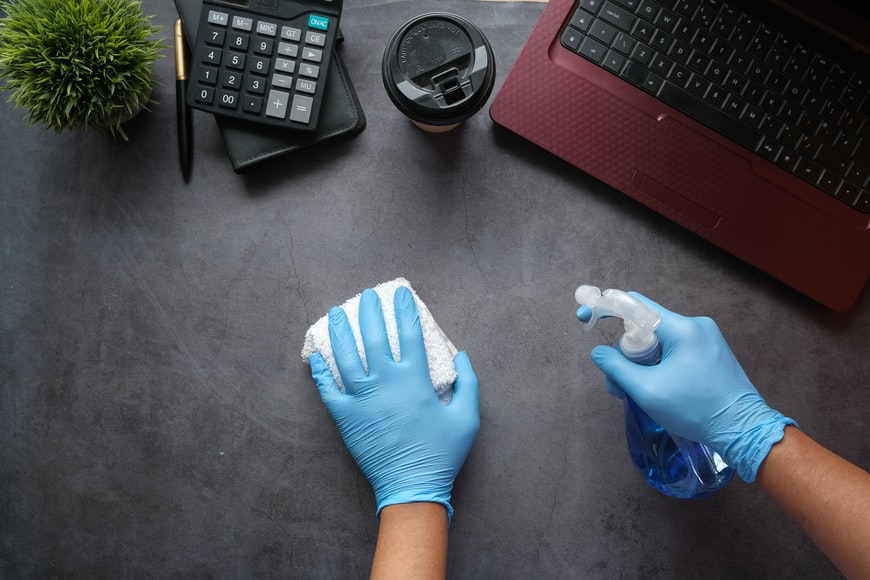
Biologists from the University of Oregon have discovered an average of 7,000 different types of bacteria on smartphone screens. While most of these are also present in the human body, some can pose a pathogenic threat to weaker individuals, especially the elderly. In response to this, and boosted by the growing concern for cleanliness related to the covid 19 pandemic, various industries have witnessed the rapid development of antimicrobial materials, capable of inhibiting or killing the microbes on their surface or within their surroundings.
There are different types of antimicrobial materials in various sectors: glass, plastics and polymers, and textiles.
Glass
Antimicrobial glass is an innovative product for protection against microbes and it applies to many sectors: health, information technology, and optics with supports such as windows, screens, or glasses. Various operating principles for antibacterial glass have been developed in recent years. The AGC Glass group has been a pioneer in the sector, marketing an antibacterial glass based on the application of a layer of silver ions to the surface of the glass sheet in 2007. These ions interrupt the division mechanism of the bacteria that settle on it, disrupt its metabolism and then lead to its destruction. On the other hand, the International Institute of Technology uses another technique, based on the properties of titanium oxide exposed to ultraviolet light on several coatings (glass, silicon wafers, aluminum foil, etc.) to prevent the development of microbes inside spacecraft. Startups are not left behind, as illustrated by Kastus, which received in June 2020 a grant from the European Commission to combat the COVID-19 pandemic. Last year it completed a €5.65 million Series A funding round to further develop its light-powered anti-viral surface protection technology, which has already received 46 granted and pending patents. It is currently working in partnership with a number of global brands such as Lenovo, Lavazza, and Kone, and its technology is applied to phone screens, tablets, cars, and optics.
Plastics
Similarly, antimicrobial plastics continue to make a difference in many aspects of everyday life. Antimicrobial plastics are treated in the same way as glass, with some using silver ions on the polymers to inhibit the growth of bacteria. Premix Group, a global manufacturer of electrically conductive and antimicrobial plastics, has developed its Prexelent technology, which stores pine rosin, the active agent, inside the plastic. Rosin is activated by moisture or liquid to combat many types of harmful microbes – moulds, viruses and bacteria on the surface of polymers such as engineering plastics, polystyrene and PVC. Other techniques, such as the group Microban International‘s, use the antibacterial properties of zinc to develop a technology that, when added to plastic, penetrates the cell wall of the microbe to annhilate it. This is also the technology that startup Parx Materials has built on to develop their antimicrobial and antibiofilm technology. Named one of the top 3 technology startups in Europe in the European Commission’s 2014 Tech All Stars competition, it raised €1 million in 2020. Their product Saniconcentrates™ can be added to packaging films, especially films in direct contact with food, to prevent micro-organisms from accumulating on the surface of a product, thus prolonging its shelf life, but also to prevent cross-contamination in shopping bags or on conveyor belts.
Textiles
Antimicrobial textiles are in vogue, particularly since the covid-19 crisis but more widely in a variety of applications from household to commercial, including air filters, healthcare, hygiene, medicine and sportswear. Different types of antimicrobial textiles exist, including antibacterial, antifungal, and antiviral. While historic generalist groups dominate the market, such as Biocote, which offers a range of antimicrobial silver-based additives to be introduced into the textile manufacturing process to make it resistant to microbes, start-ups are also emerging in parallel. Muse Nanobots startup, a subsidiary of the IIT Madras-incubated Muse Wearables startup, has developed methods to coat textiles with nanoparticle-based antimicrobial agents capable of inactivating viruses with up to 99% reduction within the first 5 minutes of contact. These coatings are expected to be effective for up to 60 washes, allowing the textile to keep its properties over a long period. Fabiosys Innovations, another startup created in 2018, has developed an affordable high-performance medical textile Fabium based on a technology called Hi-PAT. It is highly effective against bacteria, viruses and fungi and can be moulded into any type of fabric: natural, synthetic and blended with applications in healthcare, hospitality and clothing.
Finally, it is clear that antibacterial materials have been in vogue for some years and have been boosted by the coronavirus crisis, which has brought health issues to the forefront. Several techniques coexist and are applied to different materials. The large groups in the sector are regularly challenged by start-ups developing new technologies. However, the extensive use of antibacterials may increase the resistance of certain strains, which will have every opportunity to proliferate. This is a potential limitation of the application of these materials.
2 Key Figures
+ $622M invested in antimicrobial coatings
Tracxn
The antimicrobial coatings market is expected to grow at a CAGR of 13.8% from 2022 to 2030
It was valued at $9.0bn in 2021 – Grand View Research
3 startups to draw inspiration from
This week, we identified three startups that we can draw inspiration from: Kastus, Parx Materials, Fabiosys Innovations.
Kastus
The Irish startup has developed patented visible light-activated, photocatalytic, antimicrobial coatings. The coatings prevent the growth of bacteria on the surface it has been applied to, such as glass, ceramics, and touchscreens, with no negative side effects for the end-user. The startup was a finalist of the Med Tech Award 2020.
Read more

Parx Materials
The Dutch startup has developed a passive-acting polymer technology based on a physical anti-adhesive principle to keep surfaces free of microbes, viruses, biofilm, dirt and mould. The technology does not use harmful or toxic chemicals, biocides, heavy metals, or nanoparticles. It can be used with almost any type of plastic.
Read more
Fabiosys Innovations
The Indian startup has developed the Fabium technology, a high-performance fabric that destroys around 99.9% bacteria and viruses in 30 minutes. The product is thoroughly tested and ISO certified. It can be moulded into any type of fabric: natural, synthetic, and had applications in healthcare, hospitality and clothing.
Read more
Interested in a startup landscape or in an insights report?
Please fill out our contact form so that we can get back to you very quickly with our product offer.
Want to subscribe to our 123Fab?
Fill out our form to receive the latest insights into your inbox.
123Fab #90
1 topic, 2 key figures, 3 startups to draw inspiration from
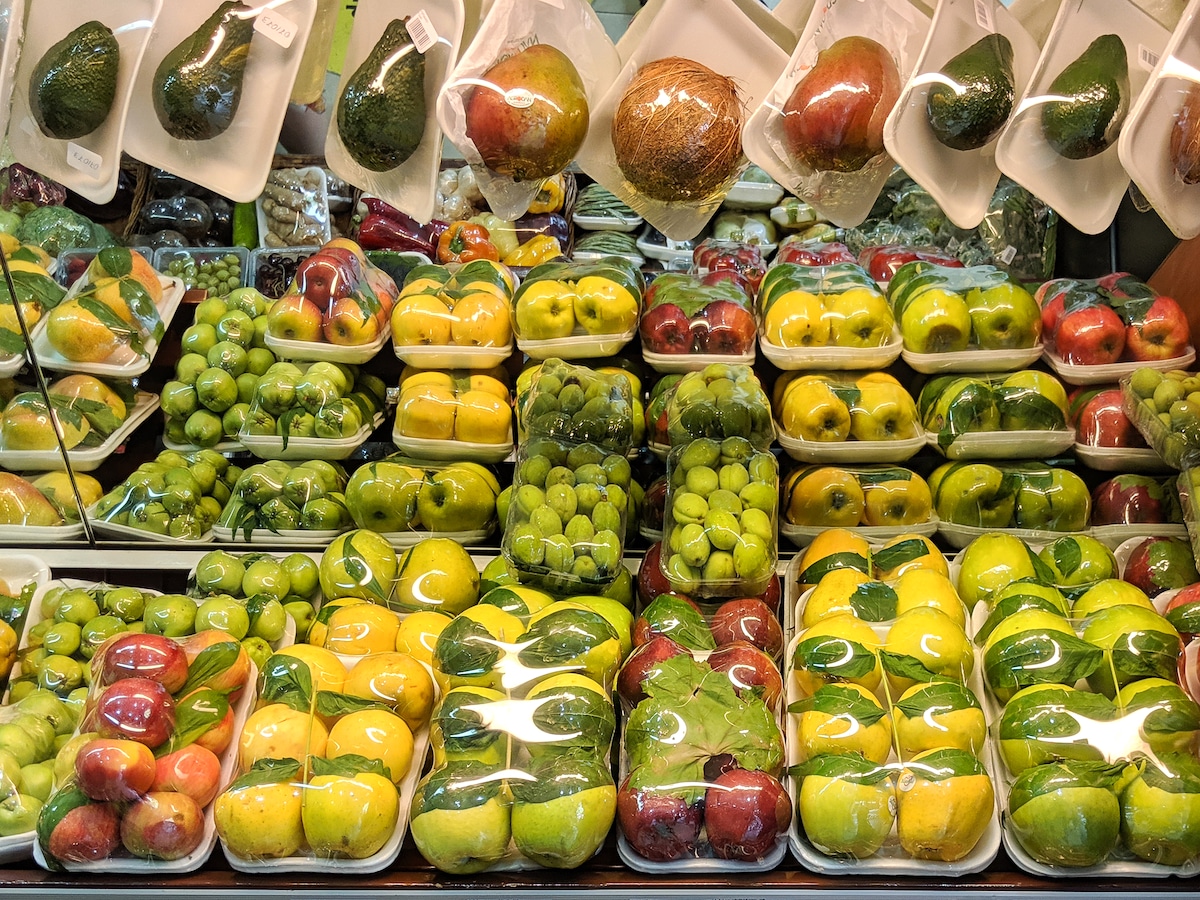
Since January 1st 2022, plastic packaging has been banned for fruits and vegetables in France. Before this date, 37% of all fruit and vegetables were packaged, half of which were in plastic. In the world, 77 countries have adopted some sort of total or partial ban on plastic bags. According to Climate Collaborative, packaging accounts for about 5% of the energy used in the life cycle of a food product, making it a significant contributor to greenhouse gas emissions. And for some products, the packaging used has an even greater impact on climate change than the fuel used to ship it to market. In response to increasingly restrictive regulations imposed by many states, several industry players and startups are emerging to offer sustainable packaging with less environmental impact. This is a key issue for industry players, such as distributors in the agri-food sector, who are facing pressure from regulations but also from consumers. For example, Walmart announced in 2019 its goal of achieving 100% recyclable, reusable, or industrially compostable packaging for its private brands. A year later, the multinational retail corporation announced its collaboration with startup Apeel Science to market cucumbers in an edible substance made from materials found in plants.
More generally, it is possible to distinguish three types of innovation in sustainable packaging: recycled packaging, biodegradable packaging and edible packaging.
Recyclable packaging
For Tetra Pak, the single-use beverage container like school milk cartons, the recycling rate is currently 26% worldwide. Faced with the difficulties of recycling packaging in general, a trend in the packaging industry is to use recycled materials. Post-consumer resins (PCRs), for instance, are recyclable packaging materials that come from post-consumer waste. Italian start-up Ecoplasteam has developed processes for the disposal of polylaminate waste, creating a new material from the recycling process of Tetra Pak containers. The startup produces EcoAllen, a regenerated granulate based on polyethylene and aluminium. The material is infinitely recyclable and has a high mouldability, thus finding applications in packaging bottles but also in the fashion, food and beverage industries.
Biodegradable packaging
Another market trend is the total elimination of plastic, in line with regulations and its dramatic impact on the environment due to its slow decomposition rate. Biodegradable packaging and films are gaining traction and are suitable alternatives to traditional plastic packaging. For example, cellulose, PLA, as well as other biopolymers, find applications in the packaging industry. Apart from this, plant-based packaging from sugarcane, coconut, hemp, and corn starch are also replacing plastic packaging. Helsinki-startup Sulapac has developed an innovative, fully biodegradable material made from sustainably sourced wood and plant-based binders. The material is biodegraded fully without leaving permanent microplastics behind; it can be recycled via industrial composting and processed with existing plastic product manufacturing machinery. The startup has raised over €17.7 million in 2019. Another example, Lactips, a French startup, raised 13 million euros in 2020 to create its first biodegradable, water-soluble and edible resin, production plant created from milk protein.
Edible packaging
Edible packaging is a revolutionary trend in the packaging industry that not only meets the challenges but also closes the packaging loop. A good example is packaging made from milk proteins, used as casein film around food products. These films are better at keeping food fresh than plastic. Another example is the startup Decomer Technology, which is developing a water-soluble and edible packaging material as well as products thereof. The material is plant-based, tasteless, transparent and hypoallergenic and can be used in food, detergent, pharmaceutical, agricultural and other industries. Similarly, Evoware, an Indonesian start-up, designs packaging and food sachets (containing, for example, instant coffee) from a seaweed-based material that can be dissolved and consumed.
It is clear today that sustainability, in particular regulatory and public concerns about single-use packaging waste, is combining with other powerful trends to drive major changes in consumer packaging. New initiatives are emerging and becoming increasingly popular in a wide range of sectors: food processing, catering, hospitality… Start-ups have a key role to play and innovation is at the forefront. In the future, packaging converters will need to continue to proactively embrace sustainability issues as consumer demands and regulatory requirements increase.
2 Key Figures
+$3B of total funding and +190 companies in sustainable packaging
Tracxn
The sustainable packaging market is expected to register a CAGR of 7.55% during 2022-2027
Mordor Intelligence
3 startups to draw inspiration from
This week, we identified three startups that we can draw inspiration from: Ecoplasteam, Sulapac, and Decomer Technology.
Ecoplasteam
The Italian startup recycles “tetrapak” packaging waste to create EcoAllene™. It is easy to process, offers constant technical and composition characteristics, is colourable, 100% from the recycling process, traceable and 100% recyclable. Another important features are its constant availability, due to the large quantities of packaging waste and its competitive price.
Read more
Sulapac
The Finnish startup has developed a biodegradable and microplastic-free material made entirely from renewable sources and certified wood. It can be used as packaging for everything from cosmetics to foodstuff to gift boxes and more. It has all the benefits of plastic, yet it biodegrades completely and leaves no trace once it’s gone.
Read more
Decomer Technology
The Estonian startup has developed water-soluble and edible packaging materials designed to offer an eco-friendly packaging alternative to the existing bio-hazard plastic ones. The material is plant-based that dissolves in water and has natural building blocks that can easily be composted, enabling packaging industries to use water-soluble edible packaging material.
Read more
Interested in a startup landscape or in an insights report?
Please fill out our contact form so that we can get back to you very quickly with our product offer.
Want to subscribe to our 123Fab?
Fill out our form to receive the latest insights into your inbox.
123Fab #89
1 topic, 2 key figures, 3 startups to draw inspiration from
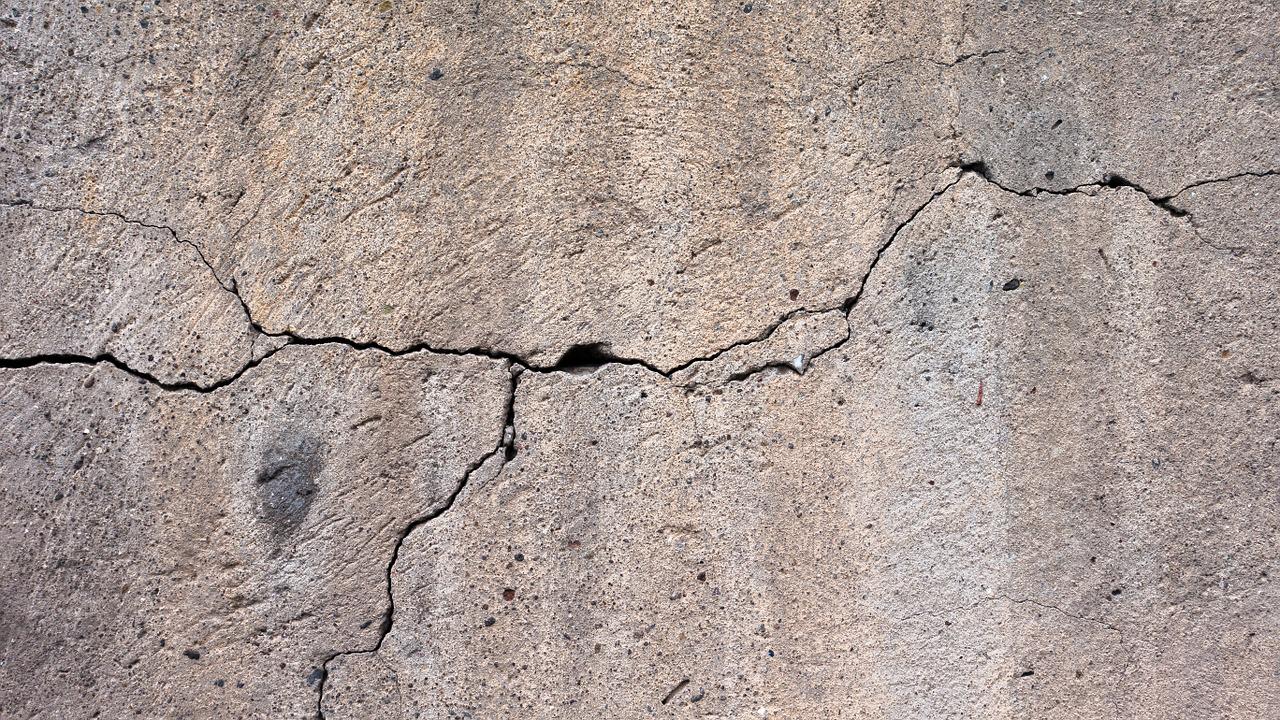
The March 2022 report by The Court of Auditors indicates that the proportion of French road surfaces requiring maintenance work has risen from 43% to 53% over the last ten years. This increase is hardly surprising given the impact of climate change (freeze-thaw, drought, flooding, etc.) and the increasing weight of vehicles, damaging the tarmac as they pass. As a result, the State is obliged to invest more over the next few years and the law on the orientation of mobility has set a financial trajectory up to 2027 and beyond – eventually exceeding 1 billion euros per year. However, one technology could radically change the situation in the future: self-healing materials.
Since the 2000s, a number of self-healing materials have emerged. They use healing agents such as embedded microcapsules filled with glue-like chemicals or even living micro-organisms, the use of materials with internal vascular circulation like blood, shape-memory materials, or reversible polymers. Self-healing materials offer many promising possibilities in the construction sector, but also have potential applications in everything from 3D nanostructure to spacecraft.
Concrete
Concrete is the second most used substance on the planet after water, according to The Guardian, and forms the basis of modern construction. However, it comes at a huge environmental and financial cost, both in terms of the energy used to create it and its condition after use. Start-up Basilisk, a pioneer in this field, is now commercializing its self-healing concrete solution. The technology is based on an additive added to the concrete mix, consisting of particles that contain dormant bacteria and nutrients. Air or water generated by a crack will awaken bacteria which, by feeding on these nutrients, will fill the cracks, creating limestone. Precast group JP Concrete has signed an exclusive agreement to use Basilisk’s Sensicrete compound in its products and market self-healing concrete in the UK. However, the cost of this method is significant. The price per square meter would be double that of conventional concrete. Other initiatives based on other techniques have been developed to reduce the cost of the technology. This is the case with enzymatic construction material (ECM), which has been patented and produced by Enzymatic Inc. as a building material. Composed of carbonic anhydrase, an enzyme found in living cells, it is able to self-heal and remove greenhouse gas from the air for safe storage. It costs about $168 per square meter (compared to standard concrete at around $125 per square meter) but its energy cost is much lower. While it is not yet strong enough for apartment buildings, it could be used for smaller projects requiring less load, such as the side of a house.
Asphalt
Traditionally, asphalt has been used as a binder with concrete for road laying. Exposure to vehicle use, sunlight, rain, and other natural circumstances causes roads to degrade over time. As a result, asphalt roads lose their natural binding capabilities and require frequent repair and maintenance. Start-ups such as Self Healing Materials are developing self-healing asphalts with specific properties as a solution to improve the lifespan of pavements. By introducing steel fibers into the asphalt and using an induction machine to heat the iron molecules, the energy goes directly to the mortar, which melts briefly where the cracks form. This allows the asphalt to return to its original structure. With this technique, the lifespan of the asphalt, initially ten to twelve years, is extended to twenty years. The start-up manufactures other self-healing materials such as plastics, coatings, rubber and concrete, notably through microencapsulation, polymer use and vulcanization techniques.
Steel and aluminium
In a similar vein, solutions are emerging to self-heal structural steel and aluminium surfaces subject to damage and exposure to corrosive environments. Start-up Autonomic Materials has developed a patented, award-winning self-healing technology based on microcapsules that contain healing agents – a mixture of resins, corrosion inhibitors and adhesion promoters. When the coating is damaged, the microcapsules embedded in the coating are broken, releasing the healing agent into the damaged site where it hardens, maintaining the coating’s adhesion and ability to protect the underlying surface. The startup’s product can be used for construction, agricultural equipment, mining equipment, tanks, shopfitting, etc. Since its creation, the startup has raised more than €13 million, notably from Phoenix Venture Partners and Solvay Start-Ups Accelerates Innovation. It completed its series C in 2020.
Although research into self-healing materials dates back a few years, the sector is constantly developing and experiencing new technological advances, which are gradually reducing costs. This type of material is becoming increasingly important in the construction sector and is a key strategic aspect for all groups and start-ups in the sector, as well as for VCs. They are also often associated with emission reduction with the introduction of materials capable of capturing and storing CO2 from the air, which makes it an even more important issue for the future.
2 Key Figures
The self-healing materials market is anticipated to reach $34.4 billion with a CAGR of 95.4% between 2021 and 2026
Market Data Forecast
+100 self-healing materials startups
StartUs Insights
3 startups to draw inspiration from
This week, we identified three startups that we can draw inspiration from: Basilisk, Self-Healing Materials and Autonomic Materials.
Basilisk
The Dutch startup has developed and patented a self-healing concrete solution in collaboration with the Delft University of Technology. This is based on the principle of self-healing cracks through the use of micro-organisms that produce limestone. The technology is applicable to both existing and new structures. Currently, cracks up to 0.8 mm wide can be treated and repaired within 3 weeks, thus improving the service life of structures.
Read more

Self-Healing Materials
Slovakian startup Self Healing Materials creates self-healing asphalt, among other materials they work on. The startup helps heal torn roads by way of induction heating as embedded steel fibers conduct the energy and directly transfer it to the mortar. Additionally, the startup manufactures other self-healing materials such as plastics, coatings, rubber, and concrete.
Read more
Autonomic Materials
The US startup has developed patented self-healing technology, which, when incorporated into coatings, helps them maintain their protective ability after damage. The technology is based on microcapsules that contain healing agents – a mixture of resins, corrosion inhibitors and adhesion promoters. It contributes to minimising the CO₂ impact of asset maintenance.
Read more
Interested in a startup landscape or in an insights report?
Please fill out our contact form so that we can get back to you very quickly with our product offer.
Want to subscribe to our 123Fab?
Fill out our form to receive the latest insights into your inbox.
123Fab #85
1 topic, 2 key figures, 3 startups to draw inspiration from
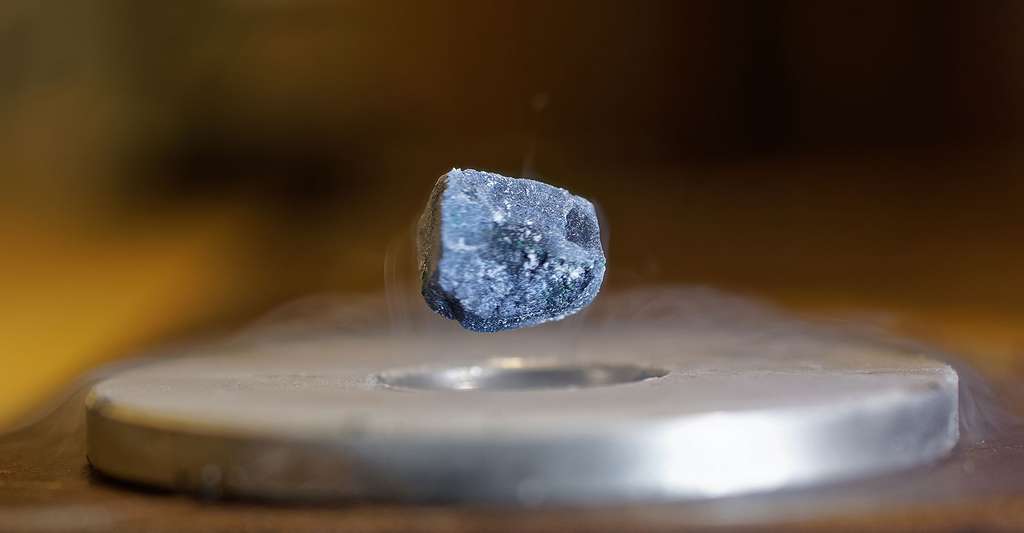
Last week, a team of Dutch researchers succeeded in developing a unidirectional superconductor. This approach could lead to a substitute for semiconductors and develop computers 300 to 400 times faster than those of today. More than just faster information transmission, the use of superconductors instead of ordinary semiconductors could save up to 10% of all Western energy reserves according to the Netherlands Research Council (NWO). They are also very valuable for the future in solving energy efficiency issues.
Superconductivity is a phenomenon of zero electrical resistance and expulsion of magnetic fields that occurs in certain materials when they are cooled below their critical temperature. In other words, this creates very strong magnetic fields and ensures that no energy is lost when superconducting materials carry or produce energy. There are two types of superconductors: Low-temperature superconductors (LTS) are those whose critical temperature is below -196.2°C and high-temperature superconductors (HTS) are those whose critical temperature is above -196.2°C. LTS critical temperature is relatively close to absolute zero, which is a problem because materials have to be cooled with expensive technologies such as liquid helium cooling. Its scope is therefore rather limited when a large quantity of material needs to be cooled. On the contrary, HTS have critical temperatures above the liquefaction temperature of nitrogen. They can therefore be more easily cooled with the latter (LN2), as is already done in other sectors such as IT or food processing.
There are many diverse applications for superconductors. To begin with, for the energy sector, the use of superconductors has great potential along the value chain.
- Conversion: High-temperature superconducting generators or engines are lighter and more compact than traditional ones and allow high efficiency.
- Transmission: An average of 5% of the electricity consumed is lost during transport. Thanks to superconducting materials, and their resistance-free current conduction, higher energy yields resulting from reduced energy losses in are achieved.
- Network security: Superconducting fault current limiters (FCLs) act as protective devices during power transmission, inserting an impedance into a conductor when there is a sudden surge of current on the transmission networks.
- Storage: Superconducting Magnetic Energy Storage (SMES) stores electricity from the grid in the magnetic field of a coil consisting of a superconducting wire with zero energy losses.
Other applications also exist, notably in health and transport and several technologies use the ability of superconductors to generate large magnetic fields. Indeed, superconductivity has played a key role in medical imaging as it is at the heart of MRI technology, providing intense, stable, and uniform magnetic fields. Superconductors can also replace conventional electromagnets in magnetic levitation trains (maglev), i.e. monorail trains that use magnetic forces rail to avoid energy losses due to friction with the rail. Last year, Chinese engineers presented a train of this type capable of traveling at 620 km/h.
However, several challenges remain to make superconductors the key to energy efficiency. First, superconducting wires and films are still expensive compared to conventional electrical cables because their manufacturing process is very complex. Indeed, HTS are ceramics, therefore difficult to manufacture and LTS are metals, easy to manufacture but difficult to cool. Moreover, the cooling infrastructure needed to exploit the capacities of superconductors is also expensive (even with liquid nitrogen for HTS).
Although the sector is not yet very mature, several large companies and start-ups are developing initiatives to overcome these limitations and benefit from this promising technology. Late last year, Nexans, a leading manufacturer of superconductor cables, installed and commissioned its technology for power grid system provider American Superconductor (AMSC) for Chicago’s Resilient Electric Grid project. In the same way, the startup SuperNode is developing superconducting cables to provide a medium-voltage direct current (MVDC) transmission system. One use case for the startup is to connect an offshore wind farm to the grid using superconductors as the mechanism of energy transfer. They make it possible to place renewable energy sources at the most strategic location without worrying about transporting the energy, since it is done without loss. Another example is the British company Epoch Wires, which manufactures patented superconducting wire. Their production process creates low-cost, durable magnesium di-boride superconducting wires that have the potential to provide superconductivity at temperatures of 40K (-233°C) for magnetic resonance imaging and power applications. For the cooling process, the startup Veir raised $10 million in funding last year to further develop a cooling system for high voltage superconducting transmission lines.
The prospects for superconductors, studied since the 1980s, are significant and very promising. Its benefits could revolutionize the energy industry. Indeed, having a non-resistive conductor would save a huge amount of energy on the existing grid installation. They could also contribute to the development of remote renewable energy sources by ensuring lossless energy transmission. However, deployments remain limited today due to the cost of the infrastructure and the complexity of the large scale.
2 Key Figures
The superconductors market is expected to reach $8.78B in 2025 at a CAGR of 13.08%
The Business Research Company
+$100M raised in the last six years in the superconductor market
Traxcn
3 startups to draw inspiration from
This week, we identified three startups that we can draw inspiration from: SuperNode, Epoch Wires and Veir.
SuperNode
The Irish startup designs and delivers superconducting connection systems to connect renewable generation and increase grid interconnection in mature markets. It manufactures superconductor cables that can carry huge amounts of power in a much smaller surface area than conventional cables and require significantly less infrastructure, materials, and space.
Read more
Epoch Wires
The UK startup is specializing in manufacturing superconductor wires using environmentally friendly, abundant, and cheap material, namely Magnesium Diboride (MgB2). The company’s patent-pending technology offers high capacity production of infinitely long wire at one of the lowest market prices.
Read more
Veir
The US start-up has developed a passive evaporative cryocooling solution that enables reliable and cost-effective transmission of superconducting cables over very long distances. It provides 20 times more cooling power per kilogram of nitrogen flow than mechanical subcooling.
Read more
Interested in a startup landscape or in an insights report?
Please fill out our contact form so that we can get back to you very quickly with our product offer.
Want to subscribe to our 123Fab?
Fill out our form to receive the latest insights into your inbox.
123Fab #84
1 topic, 2 key figures, 3 startups to draw inspiration from
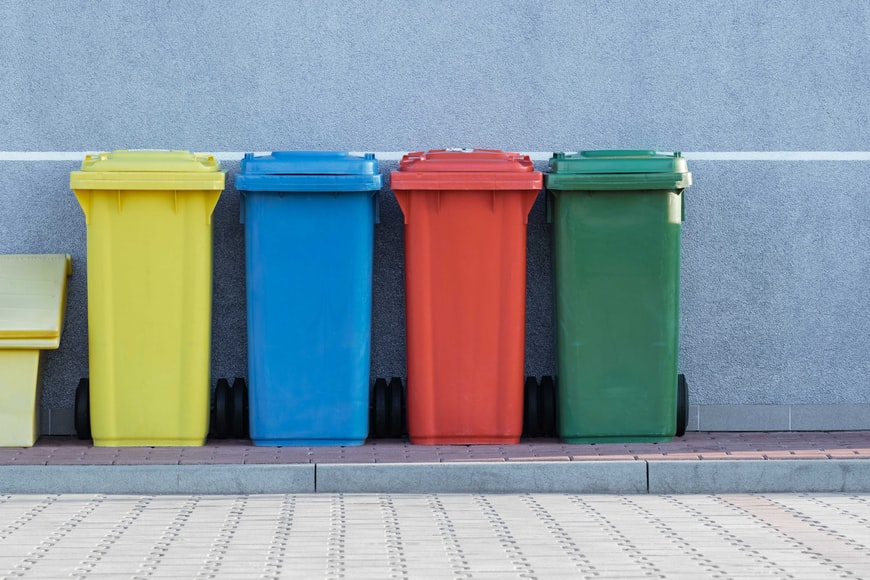
In 2021, the circular economy became the most funded sector in private equity, with over €2.2 billion invested, almost double the previous year (Novethic). Back Market, the electronics reconditioning specialist, has made this rise possible with €726 million in two rounds of financing. The model is gradually proving its cost-effectiveness and is of increasing interest to consumers who are turning to much more frugal lifestyles and consumption patterns.
The circular economy consists in producing in a sustainable way by limiting consumption and the production of waste. It can be defined more broadly as a system that valorizes resources at each stage of their transformation. The resources can be raw materials, finished products, goods, or services (such as car-sharing). According to ADEME, the French Environment and Energy Management Agency, the functioning of this system is based on 7 pillars: sustainable supply of raw materials, eco-design of products, industrial and territorial ecological commitment, ecology of functionality, responsible consumption of products, extension of the useful life of goods and recycling of materials from products. The shift of companies from the linear to the circular model has advantages and challenges on several levels. From an economic point of view, the model allows companies to save on the costs of acquiring and transporting raw materials, which are abundantly available. This model is also a strong asset for companies as it improves their brand image and appeals to the growing number of environmentally conscious consumers. In addition, the circular economy is becoming more and more popular to comply with the increasingly strict regulations of the States in favor of ecology: the display of the lifespan of products, the development of packaging deposits, the support of the economy of functionality or the fight against waste and programmed obsolescence. In line with its March 2020 Circular Economy Action Plan, the European Commission last month presented proposals to green almost all physical goods on the EU market, with for example the introduction of ‘digital passports‘ for relevant products and ‘performance classes‘ from A to G for comparison.
Nevertheless, the circular economy model requires certain key success factors to establish effectively and sustainably. Firstly, the model must continue to prove its capacity to improve the profitability of industries, particularly those in emerging countries, which still have significant development potential in the linear model. Secondly, manufacturers need to have access to their products at the end of the cycle. Information technology can partly address this concern with for example online failure detection or monitoring of wear levels. From a macro-economic point of view, an ecosystem should enable actors to work together, facilitating shared objectives, dialogue, and alliance, sometimes even with competitors. Another important criterion is the establishment of reverse logistics channels to collect and optimally recover the considerable end-of-cycle volumes generated by the circular economy. Industrialists will be directly concerned, particularly for closed loops, but also SSE (social and solidarity economy) players and local authorities.
To this extent, several startups and large groups are developing solutions and initiatives to benefit from circular economy. A distinction can be made between operators, who try to modify their production processes and limit waste production, and companies that offer solutions to facilitate the circular economy, in terms of logistics, product monitoring, quality assessment, etc. In textiles, some large players such as Patagonia have focused on a strategic positioning allowing access to products at the end of the cycle with the presence of an “absolute guarantee” allowing the repair and modification of its articles. External startups, such as Murfy, are also choosing to penetrate this part of the value chain by encouraging consumers to repair household appliances rather than replace them with new ones. It offers three services: free tutorials on how to repair household appliances, repair by an employee technician, and an e-commerce platform for reconditioned appliances. Intending to create a circular economy ecosystem, another startup, Phenix, offers a range of solutions to companies – supermarkets, local shops, but also producers, industrialists, and wholesalers – to give a “second life” to their unsold goods, by putting them in touch with second life item collectors (charitable associations or even sales at a reduced price through a mobile app). The startup saves 120,000 meals a day, thus avoiding the production of 50 tons of waste per day. Finally, in a more global logic of recycling, several startups have contributed to the creation of the “internet of garbage“. This is the case of AMP Robotics, which raised 55 million last year and uses AI and physical robots to orchestrate sorting, picking, and placement tasks to increase recycling rates.
The circular economy holds great promise for the future. It is of increasing interest to companies in all sectors notably to reduce production costs and ensure an abundance of raw materials. It is also increasingly important for their image in the eyes of consumers who want to consume sensibly and sustainably. Finally, it is the subject of particular attention from the public authorities, who are enacting laws to act in favor of the environment and limit the production of waste.
2 Key Figures
Circular economy revenues in the plastic packaging recycling market are expected to have a CAGR of 9.1% between 2019 and 2030
The market revenue is estimated at $13.1 billion – Research And Markets
750 funded companies & + $3B invested in last 2 years in circular economy
Traxcn
3 startups to draw inspiration from
This week, we identified three startups that we can draw inspiration from: Murfy, Phenix and AMP Robotics.

Murfy
Murfy, created in 2017, has undertaken the mission of solving the overconsumption of household appliances, via the circular economy. It thus offers three services: free tutorials to repair one’s own household appliances, repair by an employed technician, and an e-commerce platform for reconditioned appliances. In one year, Murfy has tripled its turnover to €3.5 million in 2020.
Read more

Phenix
Phenix has developed a platform to connect generators and collectors of second life items. The platform, Phenix Exchange, connects waste generators, ie companies and industries that want to sell off their old items, to agencies that wish to buy these items. These include recycling companies, NGOs etc. The startup raised $17,2M in 2018.
Read more
Centrical
The American startup has developed an artificial intelligence-based waste sorting robot which picks recyclable materials off a conveyor belt in mixed waste, construction & demolition waste, and e-waste facilities. AI-technology is used to identify the waste material and machine learning platform keeps record of types of materials identified. The startup raised $55M in 2020.
Read more
Interested in a startup landscape or in an insights report?
Please fill out our contact form so that we can get back to you very quickly with our product offer.
Want to subscribe to our 123Fab?
Fill out our form to receive the latest insights into your inbox.
123Fab #82
1 topic, 2 key figures, 3 startups to draw inspiration from

On 8 February this year, 12 EU member states affirmed their desire to launch an IPCEI (Important Project of Common European Interest) on developing a sovereign cloud in Europe. These countries include Germany, Belgium, Spain, Italy, and France, which plan to contribute 300 million euros to the project, estimated at 7 billion euros. The first objective is to guarantee the protection and security of European users’ data. Indeed, most web hosting companies in the cloud are currently owned by American companies, with GAFAM controlling 70% of the European market. They are therefore subject to the Cloud Act, the US federal law on access to communications data, which obliges providers to disclose all information in their possession upon request from the US judiciary, regardless of whether the data is hosted in the US or in a third country, which violates the EU’s General Data Protection Regulation (GDPR). The other objective is to compete with industry behemoths such as Google or AWS and reduce European dependence on US companies from a commercial point of view.
The explosion of the cloud in recent years is due to its many advantages: it makes all data accessible from any terminal very quickly and, in theory, also prevents it from being lost, even if the hardware storing it is damaged. It is largely dominated by the American giants, mainly Amazon, which holds over 30% of the market, Microsoft, and Google. Their dominance is often decried, and this week Reuters reported that the European Commission has opened an investigation into Microsoft’s potentially anti-competitive practices in the cloud sector. A few large European players still manage to emerge such as Deutsche Telekom, OVHcloud, SAP, or Orange as well as smaller cloud providers like pCloud, Oodrive, or Leviia.
However, the principle of remote storage raises questions of security, reliability, and confidentiality. Thus, standards have been developed such as ISO 27001 to ensure that the operator guarantees a good level of data security. In France, the government supports the “trusted cloud” label, which lays the foundations for high technical and legal standards, such as the mandatory SecNumCloud security level issued by the ANSSI (the French information system security agency). The logic is the same in other countries, for example in Germany. T-Systems and Google Cloud have announced that they will create and provide sovereign cloud services for businesses, the public sector, and healthcare organizations. Cloud computing also poses problems of dependence, on the one hand on the supplier, particularly in terms of ownership of data and functionalities, and on the other hand on the Internet, since a connection is required to use cloud computing. Furthermore, from an environmental point of view, the exponential development of cloud computing has a huge impact on global electricity consumption and also generated carbon dioxide: data centers worldwide consumed around 200 TWh in 2018, or about 1% of global electricity use.
In response to these limitations of the cloud, several startups have emerged to offer answers and attempt to occupy this growing market. For instance, this week, Intel announced plans to acquire Israeli cloud optimization startup Granulate for $650 million. The startup continuously optimizes the operating system resource manager to drastically improve performance, reduce costs by around 60%, and increase capacity in both on-premises and cloud environments, without any code changes. With the same aim of optimizing costs and performance, startup Iceotope has developed chassis-level liquid cooling solutions to reduce energy and water consumption, as well as the design, construction, and operating costs of cloud data centers. At the crossroads of energy optimization, sovereign cloud, and server storage management, Qarnot Computing proposes to use the heat emitted by micro-processors to heat offices, social housing, or colleges. The computing power is then 2 to 4 times cheaper than that offered by public cloud providers such as AWS, Microsoft Azure, or OVHCloud since the cost of the infrastructure is financed by the customer. Qarnot’s digital boiler consists of 24 processors and can, for example, heat water to over 60°C. When it comes to the growing demand for security, startups are leading the way. US-based cybersecurity company Rapid7 has confirmed its investment in the cloud with the acquisition of Israeli startup Alcide, a leading Kubernetes security provider, and DivvyCloud, a cloud security and governance startup. To ensure infrastructure and data security and entrust its management to the data user, startup Fortanix offers a solution for multiple public clouds and hybrid environments via a single platform and its technology, Runtime Encryption.
The cloud is therefore ultimately a solution full of promise, dominated by a few large players but bringing together a very innovative ecosystem. Start-ups play a key role in meeting the challenges, particularly in terms of security and environmental impact, and there are more and more of them developing in this area.
2 Key Figures
The cloud computing market size is expected to grow from $445.3 billion in 2021 to $947.3 billion by 2026, at a CAGR of 16.3%
MarketsAndMarkets
+ $3B invested in cloud security in last two years
Tracxn
3 startups to draw inspiration from
This week, we identified three startups and projects that we can draw inspiration from: Iceotope, Qarnot Computing and Fortanix.
Iceotope
The British startup has developed liquid cooling systems suitable for traditionally high power and high-performance computing (HPC) workloads. The systems wrap each server blade in a metal case filled with dielectric coolant, helping avoid the costs and carbon emissions associated with the need to cool the entire data center.
Read more

Qarnot Computing
The French startup provides a cloud-based radiator computer that produces free and eco-friendly heat sourced from IT processors. Through dispatching software, the company offers performant and secure cloud computing services. QRad provides energy-efficient green heating for buildings in every room by installing sensors.
Read more
Fortanix
The American startup is a cloud data security solutions provider. The features of the product include data privacy and management, multi-cloud key management, data encryption, network virtualization, secure access control, etc. The startup receives the Cybersecurity Excellence Gold Award.
Read more
Interested in a startup landscape or in an insights report?
Please fill out our contact form so that we can get back to you very quickly with our product offer.
Want to subscribe to our 123Fab?
Fill out our form to receive the latest insights into your inbox.
123Fab #81
1 topic, 2 key figures, 3 startups to draw inspiration from
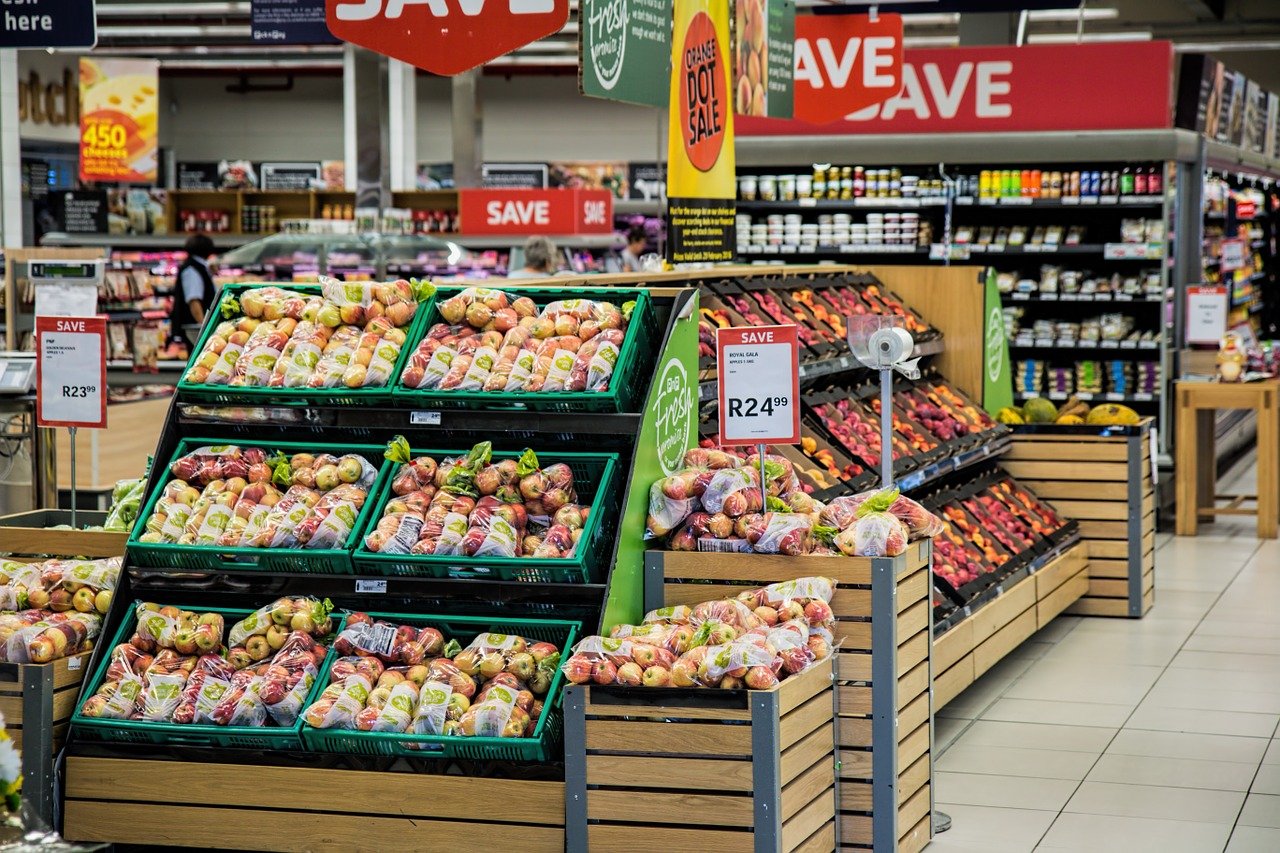
A 2018 survey by Trace One reveals that while 91% of consumers think it is important to know where their food comes from, only 12% are fully confident in the safety and quality of their food. As a result, many food companies such as Carrefour, Walmart, Nestlé, or Unilever have implemented initiatives to improve the traceability and transparency of their products in response to consumers’ lack of trust and desire for healthier and higher quality products. At the same time, traceability is key for producers, as it guarantees the quality of the raw material that is introduced into the food chain, allowing certification and accreditation of their products, quickly locating problematic elements, and setting up control systems. It also facilitates the economic management of farms since it requires a detailed history of interventions, products used, and agronomic results. Therefore it has become a major issue for consumers and producers, but also for states, for health surveillance purposes and supply concerns. As such, in France, the law on the future of agriculture voted in September 2014, introduces the obligation of traceability for all phytosanitary products. Thus, throughout the supply chain, each product used must be identified (batch number, date of manufacture, etc.) and this code is transmitted to each new actor up to the final consumer.
Food traceability is defined by the ability to track the movement of a product and its ingredients through all stages of the supply chain, upstream and downstream. It involves documenting and linking the production, processing, and distribution chain of food products and their ingredients. This is a real challenge. Firstly, because of global sourcing, which does not always allow for great visibility and transparency of production processes. But also because of the lack of unifying requirements in different geographical areas regarding handling, storage, inspection, and safety standards. From a logistical point of view, many products are sold individually and questions arise as to the scale of traceability (by unit? by pallet? at the product level?), which has a significant cost. To this extent, it is also an economic challenge because, although the demand for transparency is often driven by consumer desire, it is not clear that consumers are willing to pay this cost, nor are supermarkets, which already make low margins on food products.
The main vehicle for traceability of agricultural products is labeling, with information on, for example, origin, ingredients, or farming practices. But the reliability of labels has limits, both from a practical point of view and in terms of the veracity of the information. With the growing number of food certifications, and the constraints in terms of traceability becoming stricter, new tools are emerging at the initiative of large groups or start-ups. For example, Walmart, with the help of its technology partner IBM, created in 2016 a food traceability system based on the Hyperledger Fabric blockchain, at a time when the number of start-ups in this field was booming. The time needed to trace the origin of mangoes produced in the United States was reduced from 7 days to 2.2 seconds thanks to this system, which is now used on many products. Carrefour is also a pioneer on this topic in Europe with the first application of its own blockchain technology to the Filière Qualité Carrefour (FQC) products in March 2018. The group plans to have deployed it on all 100 products by the end of 2022. Indeed, blockchain is one of the most convincing answers to the challenge of food supply traceability, because it makes it possible to record in a decentralized and unforgeable digital register all the useful information on the origin of a product, its manufacturing and storage conditions, and the various stages of its transport.
Numerous other solutions are emerging, notably at the initiative of start-ups to ensure traceability in agriculture and consumption. For example, the World Wildlife Fund has partnered with BCG Digital Ventures and social capital investors to create OpenSC, a startup that allows businesses and consumers to verify specific claims about a product’s sustainability and ethical production. The platform uses many different technologies, including IoT sensors, machine learning, and blockchain, to trace the movement of food through its supply chain and share this history with businesses and consumers. Other solutions are implemented directly on farms, such as Farmer’s Hive, which uses IoT sensors to collect all kinds of information to improve farm management (air temperature, humidity, atmospheric pressure, etc.) and traceability by generating a unique QR code to track activities from the producer to the end-user. This makes possible, for example, the tracking of environmental conditions and location when the product is in transit. Further down the production chain, Zest HACCP is an application specifically designed to ensure health traceability. It generates its own barcodes directly on the labels to create a chain of custody and automate shelf and stock management, take temperature readings using sensors and produce statistical reports.
Food traceability is becoming an increasingly important market, driven by consumer demand for transparency and government regulations. Increasing labels and certifications are being created to promote healthy and responsible agricultural products. In addition, traceability helps to improve supply chains and farm management, but also to avoid fraud and limit food waste. It is therefore beneficial to all and will certainly continue to be a key issue in the years to come.
2 Key Figures
The food traceability market size is projected to reach $26.1 billion by 2025, recording a CAGR of 9.1%
It was valued $16.8 billion in 2020 – MarketsandMarkets
$118M million of total funding in food traceability
Tracxn
3 startups to draw inspiration from
This week, we identified three startups and projects that we can draw inspiration from: OpenSC, Farmer’s Hive and Zest HACCP.
OpenSC
The Australian startup uses blockchain technology to allow consumers to verify the provenance of products they are purchasing by scanning a QR code. Its main aim is to provide consumers with the confidence that these products are ethical, legally compliant and environmentally friendly. The blockchain technology ensures the data cannot be tampered with.
Read more

Farmer’s Hive
The Canadian startup has developed a farm management software platform. The technology uses lightweight wireless hardware sensor nodes that allow remote access to real-time information such as soil moisture measurement, enabling the user to make informed decisions. Each food item has a QR code that follows it throughout its life and records information for the end consumer.
Read more
Zest HACCP
The French startup Zest HACCP is a platform that creates its own traceability chain from barcodes. It enables to manage shelves, stocks, take temperature readings, produce activity reports, manage use-by dates and comply with European health standards. The solution is already deployed throughout France with over 1200 active licenses. It was acquired in 2020 by Phytocontrol Group.
Read more
Interested in a startup landscape or in an insights report?
Please fill out our contact form so that we can get back to you very quickly with our product offer.
Want to subscribe to our 123Fab?
Fill out our form to receive the latest insights into your inbox.
123Fab #80
1 topic, 2 key figures, 3 startups to draw inspiration from
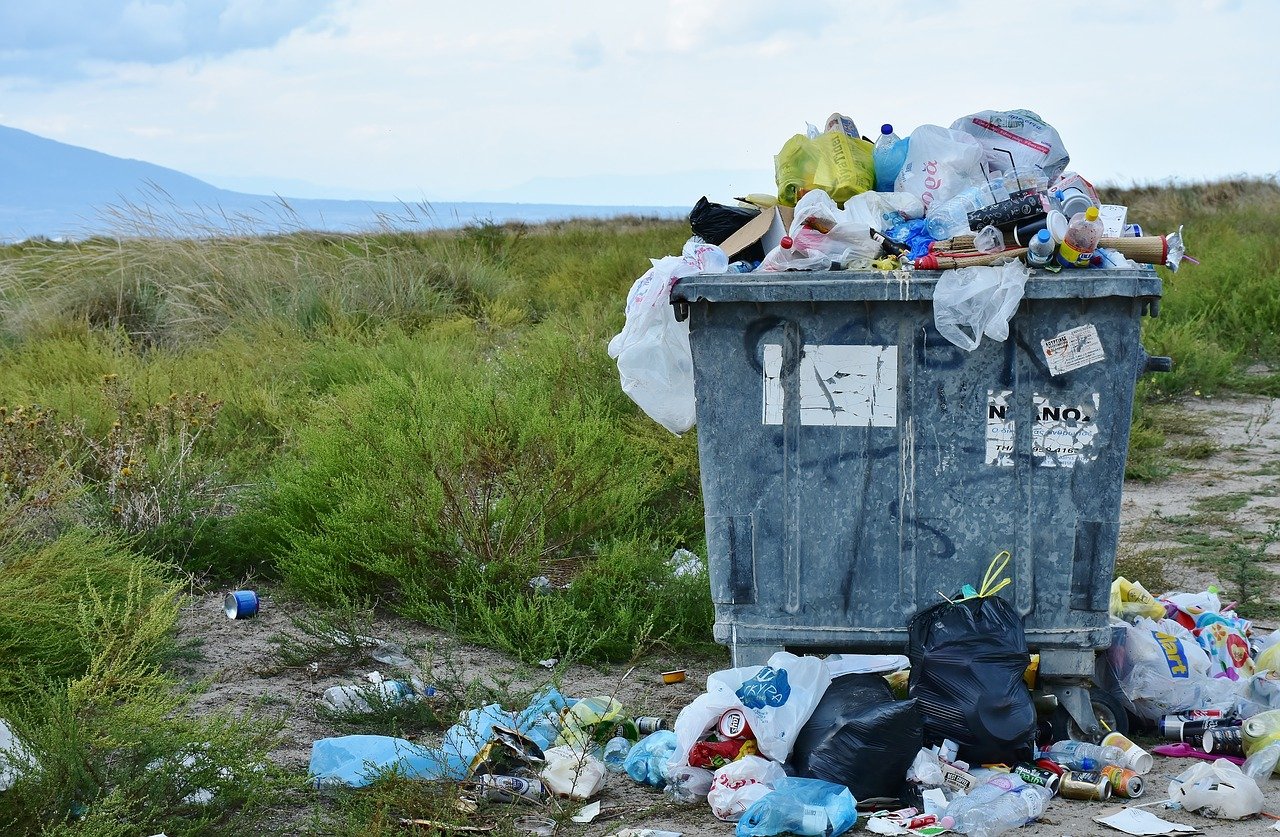
At least 14 million tonnes of plastic end up in our oceans each year, and plastic accounts for 80% of all marine debris, from surface waters to deep-sea sediments. By 2050, it is predicted that there will be more tonnes of plastic in the oceans than fish, posing a serious threat to our ecosystems and our health. Three of the seventeen United Nations Sustainable Goals are dedicated to tackling the problem of plastic waste: responsible consumption and production, climate action and marine life. To this end, alternatives to plastic have been emerging for several years, driven by governments, including biomaterials, also known as bio-based materials.
Biomaterials are biomass-based raw materials. They include cells, molecules or extracellular matrices but also natural textiles, leather, wood, paper or silk. They are used in everyday life, for example in packaging, clothing and furniture. But in recent years, a new use for biomaterials has emerged as an alternative to fossil-based materials, for example in the production of plastic. These are known as “sustainable biomaterials” and plastic manufactured from sustainable biomaterials is known as bioplastic. But not all bioplastics are equal: some are partly bio-based and not all are biodegradable, such as bio-based polyethylene (PE) or polypropylene (PP). However, bioplastics have the unique advantage over conventional plastics of reducing the dependency on fossil resources and lowering greenhouse gas emissions over their lifetime. Indeed, they have the potential to reduce 30-70% of carbon dioxide emissions and their production requires 65% less energy than conventional petroleum plastic (Allied Market Research). They also offer new recycling perspectives and opportunities for the circular economy.
For these reasons, various governments across the world are adopting favorable regulations and policies to promote the sustainability and biodegradability of bioplastics. This is one of the key drivers of the market that explains its growth in recent years. For example, the European Union launched a public consultation on this topic in January. The US government announced its plastic pollution control programs, in February, which include increased research, development and buyer/consumer awareness of bioplastics. Currently, bioplastics account for about 1% of the approximately 360 million tonnes of plastic produced annually.
However, bioplastic production has its limits and still needs to be further developed in order to have a neutral environmental impact, especially when looking at the life cycle of materials. Indeed, the production of bioplastics sometimes requires intensive land use, often combined with the use of fertilizers and pesticides. To transform organic material into plastic, chemical treatments are also necessary. An example is B-PET (bio-based polyethylene terephthalate), a hybrid plastic derived from sugar cane, which combines the negative impacts of agriculture and chemical processing. In addition, bioplastics generally require high-temperature industrial composting facilities to decompose, which very few cities have. In this case, recycling or decomposition is limited. Finally, bioplastics are also relatively expensive. For example, PLA (polylactic acid) can be 20-50% more expensive than comparable materials due to the complex process used to convert maize or sugar cane, while it is less robust than fossil fuel-based polymers.
In response to this, several groups and start-ups are trying to innovate in this field, notably by selecting raw materials. This is the case of the Californian start-up Mango Materials, which creates bioplastic from the methane gas of wastewater treatment plants or landfills. Similarly, Made of air uses forest and farm waste to produce bioplastics. Fundraising is also accelerating in this sector. In December 2021, UBQ materials, which produces bio-based thermoplastic materials from 100% unsorted household waste, raised a $170 million funding round. The solution substitutes oil-based plastics, wood, or metal in various applications: construction, automotive, logistics, retail, 3D printing. Other startups focus on the other end of the value chain, on decomposition or recycling. This is the case of TIPA, which manufactures bio-based and fully compostable packaging for the food and fashion industry. The materials decompose in the same way as food waste, within a maximum of 180 days.
Finally, biomaterials, and especially bioplastics, represent a growing opportunity for the future to limit the use of fossil resources and reduce greenhouse gas emissions. Although they are not yet capable of replacing all the different uses of plastics (resistance to humidity, temperature, breakability, etc.) and their impact on the environment is questionable when the entire value chain is taken into account, a great deal of progress has been made in recent years. The market is growing and initiatives from startups are flourishing, which is a good omen for the future.
2 Key Figures
The global bioplastics market is projected to reach $16.8 billion by 2030, growing at a CAGR of 11.5% from 2021 to 2030
It was valued at $5.8 billion in 2020 – Allied Market Research
$561M raised in the last 2 years by waste-based bioplastics
Tracxn
3 startups to draw inspiration from
This week, we identified three startups and projects that we can draw inspiration from: Made of Air, UBQ materials and TIPA.
Made of air
The Berlin startup has developed a bioplastic made of forest and farm waste that sequesters carbon and can be used for everything from furniture to building facades. The recyclable material is 90% carbon and stores around two tonnes of carbon dioxide equivalent for every tonne of plastic, more than it emits throughout its lifecycle.
Read more
UBQ materials
The Israeli cleantech startup converts unsorted household waste into a bio-based thermoplastic composite. The product is a raw material that can substitute wood, concrete, or oil-based plastics in the manufacturing of durable products.
Read more
TIPA
The Israeli startup manufactures bio-based and fully compostable packaging for the food and fashion industry. The material used for the packaging is a patent-protected sheet combining plant-based and petroleum-based composition which decomposes under compost conditions in 180 days.
Read more
Interested in a startup landscape or in an insights report?
Please fill out our contact form so that we can get back to you very quickly with our product offer.
Want to subscribe to our 123Fab?
Fill out our form to receive the latest insights into your inbox.