
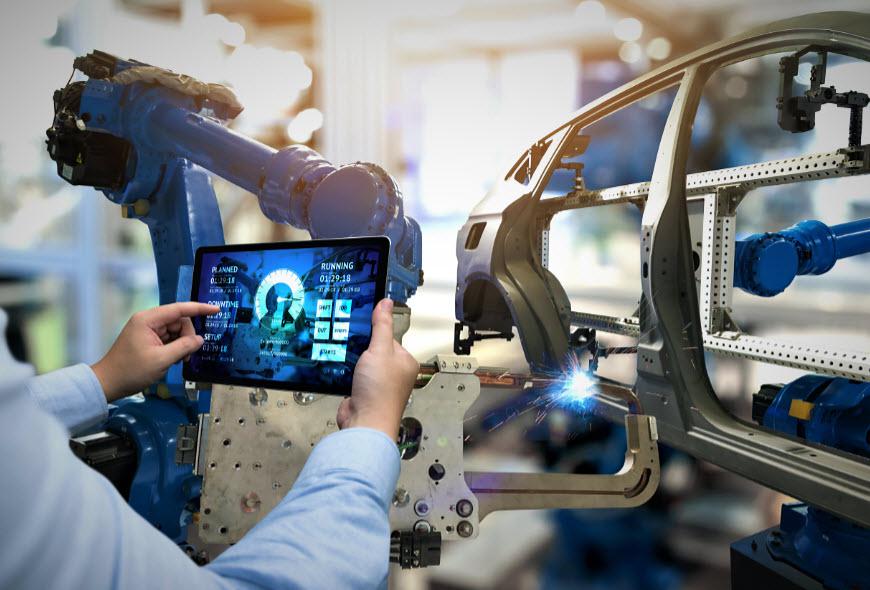
In March 2020, the European Commission presented an industrial policy to support the twin green and digital transitions to make the EU industry more competitive globally, and strengthen Europe’s open strategic autonomy. Indeed, today’s industry, and more particularly the manufacturing sector, has a real problem of productivity and difficulties to innovate, especially in comparison with other sectors. As an illustration, the manufacturing sector in the US has experienced the steepest decline in productivity growth of any sector, according to Economics TD. In the EU, productivity growth for industrial companies fell from an average of 2.9% over the 1996–2005 period to just 1.6% percent from 2006–2015. This can be explained by the fact that digitalization in manufacturing is low compared to sectors such as transportation, utilities or finance. Manufacturing also represents less than 10% of venture capital investments in the US and EU. This looks set to change, as Industrial Tech Investment levels have grown 8.8x since 2014, nearly three times faster than overall European VC investment. AI-based use-cases can really help improve the productivity of manufacturing companies.
AI can improve the productivity of the manufacturing sector at different levels. First, it can help to optimize processes. Machines become self-optimized systems that adjust their parameters in real-time by continuously analyzing and learning from current and historical data. It can also be used for predictive maintenance by continuously analyzing machine data to predict and avoid breakdowns. AI may help to automate quality control by using image or time-series sensor data to identify defects and deviations in product features. Finally, AI can be used to train cobots and enable them to perform a wide range of tasks.
Some large companies have started to integrate AI into their operations to improve productivity. For example, Mitsubishi Electric has developed its own system internally to adjust the parameters of its industrial robots. It has reduced process times by 90%. But overall, according to PWC, only about 9% of manufacturing companies have successfully implemented AI in their operations. They face certain difficulties, particularly in the development and deployment of AI models. Factory data can come from many sources and in many forms, making data collection and integration challenging. Labeling manufacturing data is also a cumbersome and time-consuming process. It often requires domain knowledge which means that manufacturing companies may be reluctant to work with labeling service providers. There are also many challenges in terms of security, processing power, scalability and explainability.
This is why startups seem to have a role to play alongside manufacturers. Startups can help in a variety of activities: improve data sourcing, improve data labelling and quality, facilitate model deployment and provide final use cases. Some players have already joined forces with startups such as Alcoa, which partnered with the UK startup Senseye to build a predictive maintenance solution. In total, Alcoa has reduced unplanned downtime by nearly 20%. A French Tier-1 automotive manufacturer partnered with the startup Scortex to automate the inspection of painted plastic parts. Scortex’s solution reduced inspection time by 80%. There is also a growing appetite among venture capital firms to invest in this sector. Cognite, which provides an IIoT platform as well as use-cases such as predictive maintenance, raised €128m in May 2021, Kili Technology which enables large companies to transform their raw data into high-quality annotated data raised €21m in June 2021…
However, the market is young, small and niche, which explains the low number of startups that manage to emerge. For data sourcing, hyperscalers like Amazon or Microsoft or incumbents like Siemens are competing with startups, and in-house solutions are being developed by industrial companies. With the exception of time-series data labeling and quality monitoring, there is no need for a specific tool for manufacturing and a generalist tool can be applied (H2O.ai for example is an AI Cloud Platform designed to operate in any environment).
In short, it is clear that AI and more specifically machine learning are full of promise for the manufacturing sector, to improve processes and boost productivity. However, the market is still not yet mature and developed. Startups attempting to conquer the market seem to have difficulty scaling or to competing with hyperscalers like Amazon. As a result, generalist tools are being applied to the manufacturing sector, especially in the deployment of models. It is likely that such tools will see a stronger adoption from the manufacturing sector as it matures, but the first step is to improve data sourcing, annotation and quality monitoring.
2 Key Figures
The Global Artificial Intelligence in Manufacturing Market is expected to reach $11.5 Bn by 2027, with a growing CAGR of 27.2%
The market was valued at $2.1bn in 2020 – AllTheResearch (Sept 2021)
318 funded companies in AI in manufacturing
$3.1bn total funding and $1.5bn funding in last 2 years – Tracxn (Sept 2021)
3 startups to draw inspiration from
This week, we identified three startups that we can draw inspiration from: Scortex, Senseye and Kili technology.

Scortex
The startup has developed a a machine intelligence platform designed to set up a solution for the factory production line. It transforms quality inspection and offers an automated defect detection and analytics solution to more accurately identify defective products in real-time.
Read more

Senseye
The startup has developed a cloud-based machine monitoring and diagnostics platform intended to deliver a way to predict machine failure. The platform automatically tracks and sends depreciation data of machinery and notifies manufacturers about machine conditions.
Read more

Kili technology
The startup has developed an annotation platform intended to create and manage data sets for artificial intelligence training. The platform allows for easy management of the training data for annotation, quality control, data management and labeling workforce.
Read more
Interested in a startup landscape or in an insights report?
Please fill out our contact form so that we can get back to you very quickly with our product offer.
Want to subscribe to our 123Fab?
Fill out our form to receive the latest insights into your inbox.
123Fab #64
1 topic, 2 key figures, 3 startups to draw inspiration from
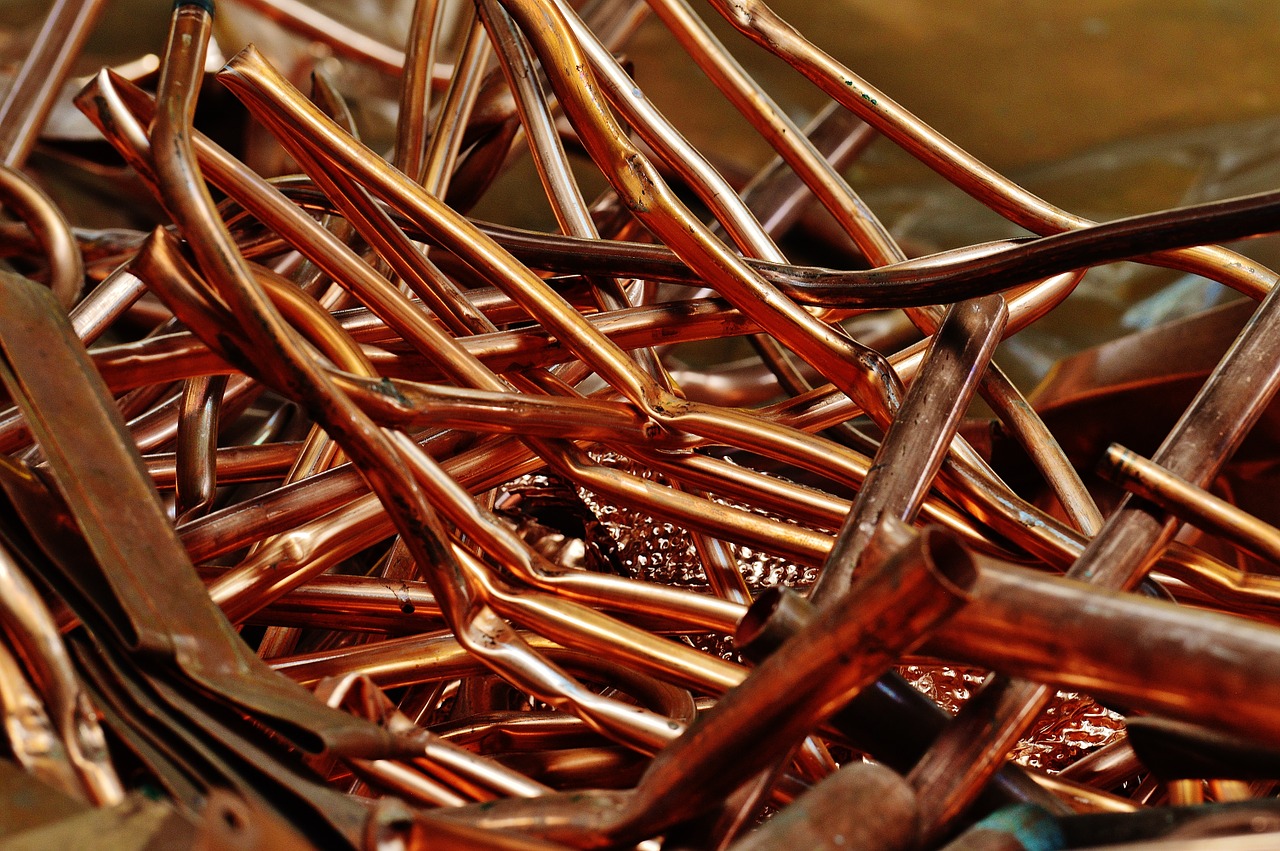
Copper plays a major role in the global economy. From thermal and electrical conductivity to corrosion resistance, copper is an extremely versatile metal that has long contributed to the way the world works. By way of illustration, it is used in numerous industries such as telecommunications (cables, wires), electronics (printed circuits, chips), transportation (injection systems, braking circuits), construction (pipes, tubing), currency, etc. In fact, one tonne of copper brings functionality to 40 cars, powers 100,000 mobile phones, runs 400 computers and distributes electricity to 30 homes.
This year, the price of copper broke the $10,000 per ton mark for the first time in 10 years. This indicates an expected increase in global demand, which should benefit Chile, Peru and China (47% of global production). Described as the ‘new oil’, demand for copper has been driven in recent years by its vital role in a number of rapidly growing industries, such as electric vehicle batteries and semiconductor wiring. According to Citigroup Global Markets, demand related to renewable power generation, battery storage, electric vehicles, charging stations and related grid infrastructure accounts for about 20% of copper consumption. Thus, copper is lauded as an essential, structural metal for the energy transition. However, the recent price surge threatens to make decarbonization more costly. At the same time, the global average copper ore grade is expected to decrease, as mines with higher ore grades become exhausted. As a result, there is growing concern about the availability of copper, and several studies have sought to estimate the peak of global copper production using Hubbert’s model, which has been estimated to be between 8 and 40 years from now.
Given the importance of copper, innovation is beginning to spur in the industry. Continuous research and testing of new concepts are being deployed to make processes more efficient, minimize environmental impact, lower energy consumption and improve design. In 2015, Aurus III, a $65 million venture fund focused solely on copper mining innovation, was launched in Chile. Among the startups they have invested in are Ceibo (formerly known as Aguamarina), which focuses on soil stabilization through biomineralization, and Scarab Recovery Technologies, which is centered on recovering valuable materials from tailings. Recycling is also receiving increased interest because copper – like gold, silver and other non-ferrous metals – suffers no loss in quality from the process, making it infinitely repeatable. In addition, it requires up to 85% less energy than primary production. Hamburg-based Aurubis is one of the companies leading the charge on the recycling of copper and other metals by a pyrometallurgy method. This year it announced that it is investing €27 million in a new recycling plant at its Beerse country site. The ASPA plant will process anode sludge, a valuable intermediate product from the electrolytic refining of copper, from the recycling sites in Beerse and Lünen, Germany. New Zealand startup Mint Innovation, however, uses a unique biohydrometallurgy method. Launched in 2016, it has developed a low-cost biotech process to recover precious metals from e-waste. It raised NZ$20 million last year to build its first two biorefineries in Sydney, Australia and northwest England.
It should be noted, however, that the copper recycling business requires considerable financial resources, particularly in terms of working capital and cash flow. This is what led to the near bankruptcy and takeover of the French factory M.Lego, which employs 110 people. Likewise, while secondary production of refined copper has increased in volume and percentage, it is growing at a much slower rate than the waste stockpile. This is primarily due to the fact that the sectors with the highest recycling rates (construction and infrastructure) have their copper tied up for several decades due to the life of the structures built. In contrast, consumer goods, which have a shorter life span, are only recycled at rates between 25 and 40%
In short, copper is projected to be a critical metal in the coming years, with a vital role to play in the energy transition. The gradual depletion of its reserves and dependence on certain countries is driving companies to innovate in the field of recycling, in order to make it both more profitable and sustainable. However, the copper industry will need strong government support to stimulate innovation to avoid a gradual shortage that would contribute to a sharp increase in prices.
2 Key Figures
About 50% of the copper used in Europe comes from recycling
International Copper Study Group (ICSG)
Copper consumption is predicted to rise more than 40% by 2035 compared to 2018
European Copper Institute (2018)
3 startups to draw inspiration from
This week, we identified three startups that we can draw inspiration from: Mint Innovation, Sortera Alloys and Weeecycling.
Mint Innovation
The New-Zealand startup has scaled biological processes that recover valuable metals like copper from electronic waste and other residues. The company’s firm uses microbes to selectively and rapidly recover precious metals from various low concentration materials under environmentally benign conditions.
Read more
Sortera Alloys
The American startup has developed a sorting system designed to reuse metals recovered from end-of-life products. The company’s system sorts metal by its type and alloy composition through a combination of X-ray fluorescence and optical sensor fusion, artificial intelligence (AI) and machine learning image processing.
Read more
Weeecycling
The French startup WeeeCycling has set up a circular economy loop for recycling strategic metals. The company buys electrical and electronic scrap in the world and, via its Morphosis brand, manufactured products. The rare metals are then extracted through a thermal and electrochemical stage to be resold for reuse.
Read more
Interested in a startup landscape or in an insights report?
Please fill out our contact form so that we can get back to you very quickly with our product offer.
Want to subscribe to our 123Fab?
Fill out our form to receive the latest insights into your inbox.
123Fab #60
1 topic, 2 key figures, 3 startups to draw inspiration from

While the boom in e-commerce had already prompted physical stores to innovate in the customer experience space, the pandemic has further accentuated this trend. Beyond the emergence of new click and collect experiences, consuming patterns have been reshaped with the rise of local shopping or curbside, instant delivery. Consumers, more demanding than ever, are looking for faster delivery, a more diverse product selection and more competitive prices than traditional retailers.
Recently, especially across Europe, incredible amounts of VC money have been invested in ‘dark stores’, modifying considerably the urban logistics order. While German startup Gorillas raised €244 million after an initial round of €36 million in December 2020, French startup Cajoo has just announced a €40 million fundraising this month. Originated in the United States with goPuff, the ‘dark store’ model involves setting up local fulfillment centers within cities that prepare only internet grocery orders. While consumers can either pick up their order on the curb or in-store, they can have it delivered to their homes within minutes. Although often confused, ‘dark stores’ differ from ‘dark warehouses’ in that the latter are unlit, unmanned facilities with automated operations. As for ‘dark kitchens’, they are restaurants without a storefront, offering menus available for delivery exclusively.
It is undeniable that ‘dark stores’ offer many advantages in view of the investments made in this field. Beyond the convenience for the consumer to be able to be delivered 24 hours a day, 7 days a week, investors perceive in ‘dark stores’ a financial gain. First, thanks to a more integrated value chain (from wholesaler to courier) eliminating the need for intermediaries. Secondly, ‘dark stores’ can be located in industrial areas where real estate costs are much lower than in retail locations. ‘Dark stores’ also have greater fulfillment capacities than the combined capacity of stores they replace, thereby increasing the overall revenue-generating capacity. Inventory management can be more accurate, resulting in fewer out-of-stocks.
On the flip side, light has also been shed on the units economics of such a business. Transportation costs, for instance, are significantly higher due to increased costs of home delivery. At the same time, the business model is criticized for the form of cannibalization it causes. Moving the fulfillment of online orders to a ‘dark store’ shifts revenue generation from self-service stores to dark stores without reducing the fixed costs of operating the stores. Thus, as e-commerce increases, profit erosion accelerates, raising the question of whether self-service stores will cease to be financially viable as operating entities if e-grocery penetration reaches levels now being projected.
In short, ‘dark stores’ may well be an immediate supplement to stores that are currently overwhelmed by the pandemic-driven surge in demand. Partnerships between Carrefour and Cajoo, Casino and Deliveroo and Monoprix and Stuart are illustrations. However, ‘dark stores’ appear to be short- rather than long-term solutions to the problems of e-grocery. In the long run, retailers will be challenged to operate profitably by serving both physically and digitally shopping customers.
2 Key Figures
182 dark store startups
registered by Traxcn
The global online grocery market is expected to reach $1.1 tn by 2027
The global online grocery market size was estimated at $189.8 billion in 2019 and is expected to reach $1.1 trillion by 2027.
3 startups to draw inspiration from
This week, we identified three startups that we can draw inspiration from: Urbantz, Locai Solutions and Quicup.

Urbantz
The Belgian startup Urbantz is a last-mile delivery management platform for enterprises designed to respond to the delivery needs of retailers, logistics operators, e-commerce, grocery players, among others. Urbantz provides an enterprise SaaS solution for real-time visibility and complete control over the entire last-mile delivery chain.
Read more

Locai Solutions
The American startup Locai has designed a suite of picking, inventory and stock management tools to optimise the operations of food retailers operating in e-commerce. These tools are based on machine learning and artificial intelligence algorithms that improve operational efficiency and enable predictive analysis.
Read more

Quicup
The British startup Quicup has developed a platform to easily book and manage deliveries. They give access to a fleet of 3000+ professional couriers and live tracking facilities, enabling clients to have on-demand, same day and next day delivery services with seamless integration.
Read more
Interested in a startup landscape or in an insights report?
Please fill out our contact form so that we can get back to you very quickly with our product offer.
Want to subscribe to our 123Fab?
Fill out our form to receive the latest insights into your inbox.
123Fab #59
1 topic, 2 key figures, 3 startups to draw inspiration from

Over the past decades, content creation and data collection at scale have been at the center of attention: web scraping, growth hacking, cookie tracking, anything to gather information. Today, the focus is on the organizational efficiency of all this content, as the consequences of sub-optimal knowledge management techniques are becoming increasingly well known: from duplication of work to knowledge loss, to time wasted waiting for information from co-workers or giving it to others, employees spend a huge amount of time searching for data. Fortunately, startups are tackling these productivity problems, targeting companies of all sizes.
Knowledge management faces two major obstacles. The first is the multiplicity of the knowledge sources supported within the company (e.g. spreadsheets, presentations, codes, notes, videos, vocals, emails, internal chats, and more). Storing this variety of documents efficiently is complex enough, but the real challenge lies in managing legacy storage systems. Many companies have been gathering data for years, even decades, in a variety of ways. Most of the time, the information is scattered across various folders and sometimes on multiple servers. Some documents are duplicates, others are outdated and some provide no information without context or proper consistent labeling. Searching and assessing which document best fits a request can be a colossal task. However, advances in computing power and algorithm performance provide tools that startups are using to tackle this problem. ambeRoad has developed a smart search engine to be used within the company to find data. Once a query is sent to the engine, it retrieves as many documents (images, video, and audio files) as possible that treat the subject within the company’s database and sends them back, significantly reducing the time spent searching and saving documents and allowing knowledge to be shared across all entities of the company. Shelf also uses AI and machine learning to improve the efficiency of document search within companies, and provides insight into the quality of the document, to help find easily the most adapted document to the query.
Other startups such as Forethought focus on knowledge management solutions for the retail and industry sectors, especially for customer service. They provide a smart search engine for employees to reduce search time and address another critical aspect of knowledge management: finding the adequate contact for each question among the employees. To reduce resolution time and avoid rerouting the call to another agent, the algorithm pinpoints the agent with the appropriate knowledge to answer the most complex questions, ensuring that the knowledge gathered by the agents is used to its full potential. Solvvy also provides an automated chatbot that learns from agent ticket resolution as well as a guidance bot for online shopping sites. The shopping assistant finds the best-fitted item based on the answers given by the client. The answers also allow the program to gain insight and provide metrics on customer behaviors.
Another trend emerging in knowledge management is Knowledge as a Service (KaaS): information, data, and experts are available on-demand via the cloud. This service allows companies to avoid hiring external consultants or experts and drastically speeds up the problem-solving process. Startups like Lynk manage KaaS platforms to provide insights for growth strategies in companies like M&A, asset management, or branding. Their network of experts shares their experience on the platform for an hour, a day, or longer if they choose so. On the other hand startups like Techspert.io leverage AI to browse online public datasets like academic journals or commercial registries to extract experts in a field and use sentiment analysis to assess the fit between the expert and the mission. Experts are then called by the company and their profiles are sent to the client to schedule a meeting. The added value of KaaS startups lies in their capacity to attract the most skilled experts and their ability to redirect questions to the most appropriate expert of their database.
Multinational companies are also positioned on the knowledge management segment: Cisco’s Business Critical Services is an IT platform providing KaaS as well as knowledge management workflows for its users. IBM’s Watson discovery smart search engine uses AI and Natural Language Processing to search through company files and avoid data silos. Between these initiatives and those of startups, the knowledge management segment seems crowded, but with the rise of teleworking, the need for an intuitive and comprehensive way to store information and documents so that they can be easily and rapidly accessed by anyone, from anywhere, is becoming increasingly evident. At the same time, companies are experiencing a higher employee churn rate than ever before, raising the bar even further for efficiency in onboarding new talent and retaining the knowledge of departing employees.
2 Key Figures
221 knowledge management startups
registered by Traxcn since 2015
The knowledge management industry market is expected to reach $1.1 tn by 2027
The knowledge management industry market was estimated at $366.8 billion in 2020 and is expected to reach $1.1 trillion by 2027, at a CAGR of 16.8% according to GlobeNewswire
3 startups to draw inspiration from
This week, we identified three startups that we can draw inspiration from: ambeRoad, Forethought and Lynk

ambeRoad
ambeRoad is developing an intelligent enterprise search engine to help employees to find all relevant documents easily and quickly by integrating all company internal data sources into one search engine. Our solution allows access to all company-wide files from anywhere.
Read more

Forethought
Forethought is an AI company that creates order, removes redundant work, and provides efficiency for businesses everywhere. Forethought is helping customer support organizations with a natural language understanding platform.
Read more
Lynk
Lynk’s platform unlocks the insights, experience, and expertise of experts from around the world, helping people and companies make better-informed decisions. Lynk’s Knowledge Graph uses data to understand, map, and organize experts and their knowledge, facilitating timely, intelligent connections.
Read more
Interested in a startup landscape or in an insights report?
Please fill out our contact form so that we can get back to you very quickly with our product offer.
Want to subscribe to our 123Fab?
Fill out our form to receive the latest insights into your inbox.
123Fab #57
1 topic, 2 key figures, 3 startups to draw inspiration from

The space industry is changing. After long being dominated by governments and billion-dollar corporations, access to space is becoming increasingly affordable, allowing smaller companies to enter the market. This is due in part to advances in satellite miniaturization over the past decade, which have drastically reduced the cost of access with the mass production of satellites. While nanosatellites (satellites weighing between 1 and 10kg) have been in use since the late 1990s, the number of launches has exploded in recent years: twice as many nanosatellites have been launched in the last 3 years as in the previous 15 years. This is because their production cost is a fraction of that of their heavier counterparts and they are much faster to build.
Startups are embarking on the development of nanosatellites. For example, German Orbital System builds CubeSats, classic nanosatellites in the form of a 10-centimeter large cube. They contain tailor-made equipment, from solar panels to data transmitters to sensors and cameras, to accommodate as many missions as possible. Picosats provides 3D-printed plastic CubeSats that are lighter than the commonly used aluminum. More than just saving weight for launch, the plastic melts when the satellite reaches its end life and re-enters the atmosphere, reducing the number of space debris left in the atmosphere. Alba Orbital is currently working on PocketQube, a picosatellite (weighing less than a kilo) with performances close to those of CubeSat. This miniaturization step could be a game-changer for reducing the cost of space exploration, because the more satellites a launch vehicle can hold, the lower the price per satellite launch.
Along with these size improvements, some startups have been working to develop affordable launchers for these small satellites. Equatorial Space Systems offers small-size launchers that can carry 3 CubeSats up to 4 km into space. Their rockets use a hybrid propulsion technology that allows them to reduce the cost of the launch. While this solution is more suitable for academic or small-size projects, they are also working on a 17-meter high launch vehicle that could carry more than 150kg anywhere in the Low Earth Orbit (up to 2,000 km from the earth) from their oceanic platform. Beyond Earth, on the other hand, offer a mobile satellite launcher that can carry a 30kg payload up to 400km from earth. Rather than launching the satellite from one launch site owned by them, their launchers are sent by shipping containers to their client’s launchpad anywhere on earth. These large-size launchers are often used to “rideshare” small satellites, such as Starlink’s 143 satellite launch last January to lower the overall launch cost per object. Aphelion Aerospace also offers launch vehicles for nanosatellites using environmentally friendly propellants as well as CubeSats manufacturing to be launched in their rockets.
The growing number of satellite missions in Low Earth Orbit (LOE) is making this part of space cluttered with satellites and debris. In space, even the smallest collision with an object can have colossal repercussions, and as more objects enter space, the likelihood of a collision increases. But some startups are trying to tackle this problem. Altius Space Machines is minimizing the number of debris by improving the life of satellites. Indeed, it specializes in on-orbit inspection and repair services to other satellites, as well as refueling, upgrades, or assistance in leaving LOE at the end of their mission. Starfish Space is pursuing the same goals and building autonomous space tugs for satellite servicing missions to extend their life expectancy and actively remove debris from space to avoid pollution and reduce the risk of collision.
As the number of satellite internet megaconstellations continues to grow (SpaceX’s Starlink projected 42,000 satellites, 2,000 satellites in OneWeb’s constellation, and more than 3 000 for Amazon’s Kuiper’s), concerns about the Kessler syndrome are rising. Thus, solutions to reduce space debris are expected to become increasingly popular, as evidenced by Swiss startup ClearSpace with its collaboration with the European Space Agency on the world’s first space debris removal mission that will begin in 2025.
2 Key Figures
500 NewSpace startups
registered by Traxcn since 2015
The space industry market is expected to reach $558bn by 2026
The global space industry market was estimated at $360 million in 2018 and is expected to reach $558 billion by 2026, at a CAGR of 5.6%
3 startups to draw inspiration from
This week, we identified three startups that we can draw inspiration from: Equatorial Space Systems, Picosats, and Starfish Space.

Equatorial Space Systems
Equatorial Space Systems developed a hybrid rocket propulsion system intended to make orbital launch better and effective. The company’s propulsion system uses a combination of liquid oxidizer and solid fuel to reduce the cost and risk of spaceflight, enabling space organizations to launch space vehicles for planetary or space missions safely and affordably.
Read more

Picosats
Founded in 2014 in Italy, Picosats developed telecommunication systems for CubeSats. The company engages in the research and development of telecommunication systems allowing space-based communication services. Picosat also builds 3D printed CubeSats, lowering the amount of debris left at the end of their mission.
Read more

Starfish Space
The Washington-based startup was founded in 2018 and developed an orbital transportation infrastructure designed to provide in-space transportation and maintenance service. The company’s proximity operations software uses a combination of breakthrough orbital mechanics and a low-thrust electric propulsion system, enabling satellite companies to relocate, deorbit and extend the life of satellites.
Read more
Interested in a startup landscape or in an insights report?
Please fill out our contact form so that we can get back to you very quickly with our product offer.
Want to subscribe to our 123Fab?
Fill out our form to receive the latest insights into your inbox.
123Fab #56
1 topic, 2 key figures, 3 startups to draw inspiration from

Since the first flight using blended biofuel took off in 2008, more than 150,000 flights have used biofuels. In May 2021, Air France-KLM flew an Airbus A350 from Paris to Montreal with a 16% mix of sustainable aviation fuel (SAF) in its fuel tanks, produced in France by Total from used cooking oil. This example illustrates the growing concern to limit aviation-related emissions. Indeed, aviation will account for 3.5% of global energy-related CO2 emissions by 2030, compared to just over 2.5% today. Thus, the development and promotion of biofuels for aviation will be essential to reducing carbon emissions of the industry.
Biofuels are fuels derived immediately from living matter, plants or waste. Depending on the type of biomass used, they could lower CO2 emissions by 20–98% compared to conventional jet fuel. The biofuels with the highest emission savings are those derived from photosynthetic algae (98% savings, not yet a mature technology) and non-food crops and forest residues (91-95% savings), taking into account the GHG emissions associated with the production of algal oil but not with transportation.
Worldwide, major aviation players are showing an increased interest in this technology. As a first step, some pioneering airports have already integrated bio-jet fuels into their refueling systems. Today, five airports have regular biofuel distribution: Bergen, Brisbane, Los Angeles, Oslo and Stockholm. Long-term agreements between airlines (like KLM and Lufthansa) and biofuel producers are another sign of their commitment to the use of SAF. They now cumulatively cover around 6 billion liters of fuel (1.6% of total annual consumption).
Meeting this demand will require further production facilities. This is why some airlines have invested directly in aviation biofuel refinery projects or biofuel startups. The first example is a partnership announced in October 2020, between Virgin Atlantic and LanzaTech, on renewable jet fuel that will power planes from Shanghai and Delhi to Heathrow within two to three years. Recently, United Airlines has also joined the biofuel race, investing $30 million in Fulcrum BioEnergy. United Airlines will be both an investor and a regular customer of Fulcrum, a California-based company that has developed a technology turning municipal waste into sustainable aviation fuel. In January 2021, Qatar Airways announced it would invest in Byogy Renewables, a US startup that produces advanced biofuels (jet fuel and gasoline) from any source of bioethanol.
Corporate investment in biofuels is a rising and necessary trend, as most aviation biofuel production pathways are not yet mature. The four major ones are:
- HEFA bio-jets (Hydroprocessed Esters and Fatty Acids): a process that uses oleochemical feedstocks such as oilseed crops and fats. It is currently the only technically mature and commercialized process. It is therefore expected that HEFA will be the main biofuel used in aviation in the short to medium term.
- FT fuels (gasification through the FischerTropsch): a method that uses municipal solid waste or woody biomass as feedstock.
- SIP fuels (Synthesised Iso-Paraffinic): biochemical conversion processes, such as the biological conversion of biomass (sugars, starches or lignocellulose-derived feedstocks) into longer chain alcohols and hydrocarbons.
- ATJ fuels (Alcohol-to-jet based on isobutanol): a process that includes “hybrid” thermochemical or biochemical technologies; the fermentation of synthesis gas; and catalytic reforming of sugars or carbohydrates.
However, before we witness the widespread use of biofuels in aviation, several challenges must be overcome. The major constraint is the high cost of the technologies compared to fossil-based jet fuels. For instance, the production cost of HEFA is about $1,500/ton of bio-jet fuels, and fuel costs are the largest overhead expense for airlines, accounting for an average of 22% of direct costs. Secondly, to fulfill the potential of aviation biofuels, further technological developments are needed.
Policy frameworks have a key role to play in this crucial early phase of SAF industry development. Without a supportive policy landscape, the aviation industry is unlikely to scale biofuel consumption to levels where costs fall and SAF becomes self-sustaining.
To conclude, the aviation biofuels market is likely to grow exponentially. Several startups are seizing this opportunity and collaborating with larger players, such as airlines. Government support, through policies and financial incentives, is essential to secure this growth potential and pave the way for more decarbonized air transport.
2 Key Figures
43 sustainable aviation fuel startups
registered by Traxcn
The sustainable aviation fuel market is expected to reach $15.3bn by 2030
The global aviation biofuel market was estimated at $66 million in 2020 and is expected to reach $15.3 billion by 2025, at a CAGR of 72.4%
3 startups to draw inspiration from
This week, we identified three startups that we can draw inspiration from: BioRefly, Sundrop Fuels, and Fulcrum Bio-energy.

BioRefly
The German startup BioRefly is an operator of an industrial scale demonstration biorefinery to produce lignin-based aviation fuels. It is developing technologies allowing an increased and more economical utilization of selected renewable lignocellulosic raw materials for the production of second-generation biofuel for aviation.
Read more

Sundrop Fuels
This US startup is the developer of renewable energy technology. It is using a proprietary high-temperature bioreforming system to transform cellulosic biomass into clean, affordable, renewable gasoline, jet and diesel fuels. It uses a high-temperature solar gasification process that turns natural gas combined with any plant material into liquid transportation biofuels.
Read more

Fulcrum
Fulcrum is an American startup that produces sustainable fuel intended to reduce reliance on imported oil. The company’s technology involves a process of converting municipal solid waste into low-carbon transportation, enabling clients to provide customers with low-cost and low-carbon drop-in fuel that is competitively priced with traditional petroleum fuel.
Read more
Interested in a startup landscape or in an insights report?
Please fill out our contact form so that we can get back to you very quickly with our product offer.
Want to subscribe to our 123Fab?
Fill out our form to receive the latest insights into your inbox.
123Fab #52
1 topic, 2 key figures, 3 startups to draw inspiration from
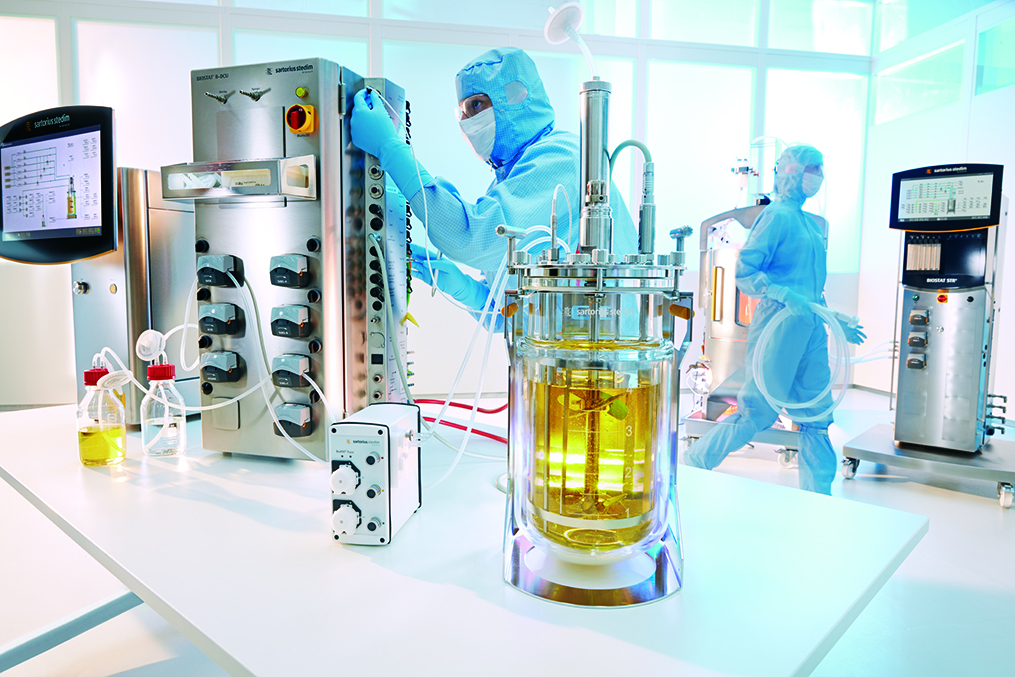
In June 2021, to meet the increased demand for bioprocessing assemblies, Entegris announced that it would invest $30 million to expand three manufacturing facilities. If the idea of using living components in industrial processes is not new – humans were already using yeast to make bread and beer in 4,000 BC – today, bioprocessing is taking it to the next level.
Bioprocessing is any process that uses complete living cells or their components (e.g., bacteria, enzymes, chloroplasts) to obtain their desired products. It is key to several emerging industries and technologies, including the production of renewable biofuels such as ethanol and biodiesel, therapeutic stem cells, or new vaccines. Bioprocessing has several advantages. First, it is an extremely efficient process (a small amount of enzyme quickly yields a lot of product) that operates under mild conditions, thus saving energy. The products are biodegradable and pure and the process is safe (any contamination by an enzyme or known microbe is harmless) and waste-free.
The bioprocess consists of an upstream and a downstream stage. Upstream bioprocessing is the first step in which the microorganisms or cells are grown. They go through several stages of cultivation in a controlled environment within a bioreactor, to be multiplicated. Then, downstream bioprocessing is there to meet purity and quality requirements through cell isolation and purification. Five main types of technologies can be used:
- Conventional bioreactors: These are manufactured systems that support a biologically active environment.
- Single-use bioreactors: These are bioreactors equipped with a disposable bag or instead of a reusable culture vessel. This reduces the cross-contamination risk, requires fewer maintenance requirements and less stringent validation protocols for regulatory approvals.
- Cell culture media: These encompass gels or liquids compounds and nutrients created to support the growth of cells in artificial environments.
- Filtration & concentration: The two types of filtration used in bioprocessing are Direct Flow Filtration (DFF) that uses a single pass of the process fluid through the filter membrane, and Tangential Flow Filtration (TFF), where the process fluid flows parallel (tangential) to the membrane surface.
- Process chromatography: It consists of a pilot- or process-scale system used to separate and purify biomolecules.
The innovations associated with these technologies partly explain the increasing adoption of bioprocessing. First, productivity has increased during the upstream process thanks to new micro-bioreactors (like the Ambr of Sartorius) that allow rapid screening of a large number of media, feeds, and operating conditions such as temperature to determine those producing the highest titers. There are also innovations in the downstream process, with the use of new proteins for purification or improved architecture of the chromatographic resins for faster flow rates. Companies like Pall are continuously working on such innovative solutions. Finally, the switch from batch to continuous bioprocessing, to develop more efficient processes and to reduce time and costs, is enabled by new precisely controlled valves, sensors, and filtration technologies (inline ultrafiltration, diafiltration).
These innovations have an impact on several industries. The main application sectors are biopharmaceuticals, agriculture and food, energy, and waste treatment. Many startups are addressing this surging market in various fields. The American start-up Mango Materials has developed a patented, low-impact biological process that produces bioplastic from methane. Methane from landfill facilities is converted into biodegradable plastic by non-genetically modified bacteria. Their solution is competitive with conventional petrochemical-based plastics and has a capacity of over 10 million pounds of bioplastic per year. Bioprocess engineering in the agriculture and food industry offers opportunities to design and produce new or improved agricultural and food products and their manufacturing processes. In the energy sector, bioprocessing is more and more used for producing biofuels. Start-up TerViva, backed by agricultural-technology businesses, uses the Pongamia plant to produce oil from its seeds. Pongamia produces ten times more amount of oil per acre than soybean and requires only a fraction of resources (water, fertilizers, and pesticides). On top of biodiesel and renewable diesel, Pongamia seed oil can be converted into lubricants, animal feed supplements, or fertilizer. Algae is another way of bio-producing biofuels. The American startup Algenol produces ethanol by using algae, sunlight, CO2, and seawater. When it comes to large corporations, the use of bioprocessing is often limited to specific activities, notably biopharmaceuticals, and the scale. For instance, GE Healthcare (General Electric) reported revenues of $1.5 billion in 2015 from bioprocessing and acquired in 2017 the bioprocessing startup Puridify.
While bioprocessing is a mature field, challenges remain. First of all, the transition from batch to continuous operation is a source of complexity (investment in equipment, process updates, contamination risks, etc.). Furthermore, bioprocessing 4.0 still has progress to make, in terms of digitalization of processes and more systematic data collection and analysis.
To conclude, bioprocessing is becoming an increasingly used technique in various fields. While regulations and norms may be a hindrance in the pharmaceutical industry, in other sectors such as waste treatment, bioprocessing has a huge untapped potential. Single-use bioreactors are expected to be the most widely adopted in the coming years as they are more flexible and can be set up into operation very quickly.
2 Key Figures
180 bioprocessing startups
registered by Tracxn
Global bioprocessing market expected to reach $51.9 Bn by 2028
The global bioprocessing market is estimated at $19.4 Bn in 2021 and is expected to reach $51.9 Bn by 2028, at a CAGR of 16.0%.
3 startups to draw inspiration from
This week, we identified three startups that we can draw inspiration from: Ingenza, Microvi, and Cytoo.

Ingenza
Founded in 2002, Ingenza is an industrial biotechnology startup with a broad customer base across the chemicals, pharmaceuticals, food, feed and fuel industries. They apply synthetic biology to the manufacture of industrial products including enhanced biofuels, sustainable manufacturing of chemicals and the production of protein therapeutics. They also license their proprietary bioprocess technologies.
Read more

Microvi
Microvi is a biotechnology startup that discovers, develops, manufactures, and commercializes innovative biocatalytic solutions for the water, energy, and chemical industries. Its MicroNiche Engineering platform is a microenvironment of biological systems is precisely designed to enhance microbial life and optimize metabolic performance.
Read more

Cytoo
Cytoo is a French startup that develops, manufactures, and distributes products that make cellular analysis robust and reliable by dramatically decreasing cell variability. Their portfolio includes a proprietary cell adhesive micropattern technologies to target High Content Screening and Analysis companies within the large cell biology market.
Read more
Interested in a startup landscape or in an insights report?
Please fill out our contact form so that we can get back to you very quickly with our product offer.
123Fab #48
1 topic, 2 key figures, 3 startups to draw inspiration from
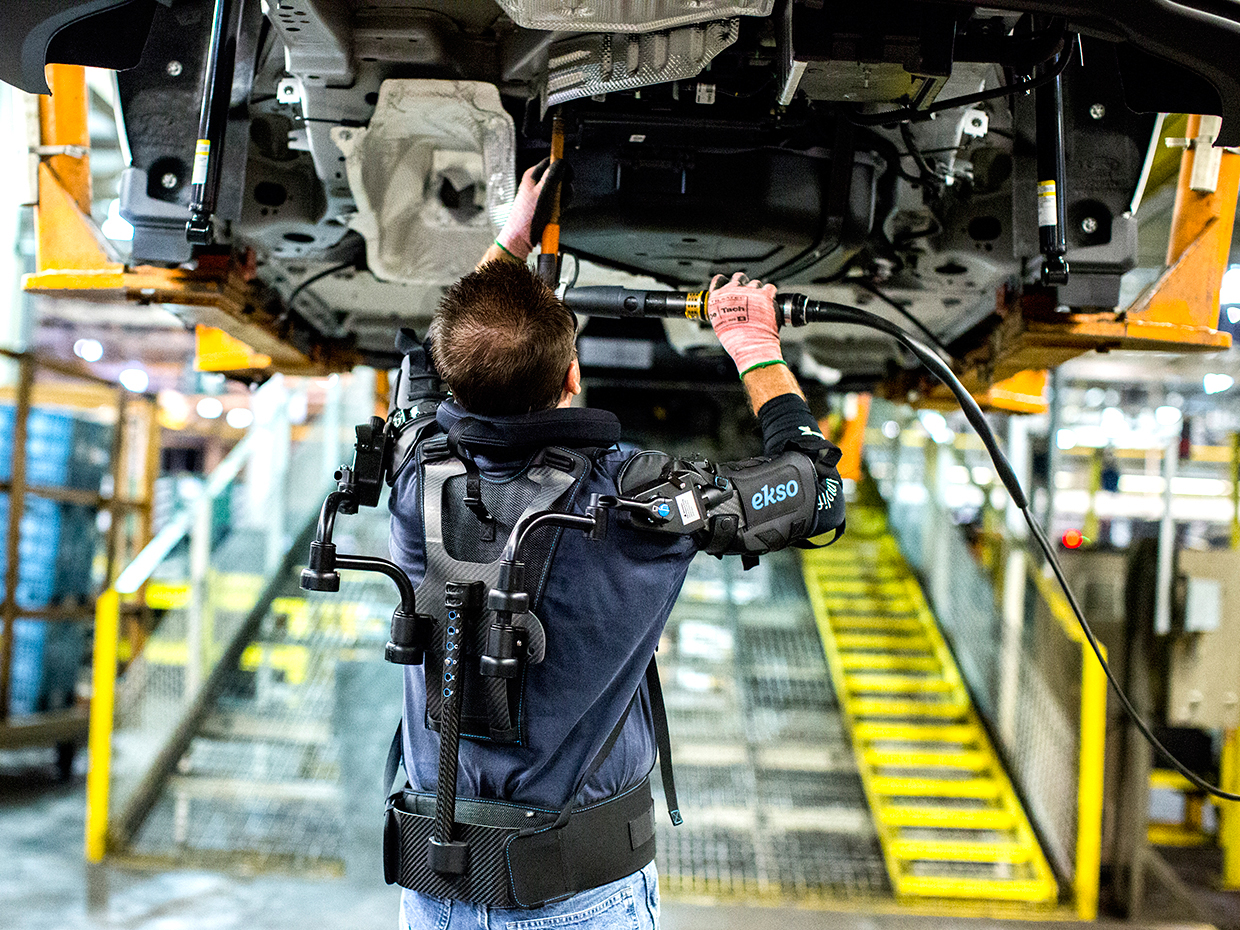
While many of the early exoskeletons were focused on military and medical applications, in recent years there has been an increase of new use cases due to decreasing costs. Exoskeletons are being used in a range of industries from manufacturing and construction to agriculture. BMW, Honda and Hyundai use them in the automotive industry; Samsung, Panasonic, Mitsubishi and Siemens in electronics; and Geodis, Pon and AT in logistics and shipping.
According to ASTM International, exoskeletons can be defined as wearable devices that work in tandem with the user. They are different from autonomous robots in that they don’t work in place of the blue-collar worker. They are placed on their body and act as amplifiers that augment, reinforce or restore human performance, as opposed to mechanical prosthetics, such as a robotic arm or leg, that replace original body parts.
The global exoskeleton market can be segmented on the basis of two main criteria. On the basis of extremity, the market can be divided into lower extremity, upper extremity and full-body. In terms of product, the market can be classified into two categories:
- Powered exoskeletons — they use batteries or electric cable connections to run sensors and actuators
- Passive exoskeletons — they do not have any electrical power source and can be used for weight distribution, energy capture, locking, etc.
In recent years, exoskeletons have emerged in industries that are less amenable to automation. For example, industries such as construction or oil and gas, which operate in unstructured environments, or manufacturing industries that produce a wide variety of parts of different shapes and sizes. In these industries, blue-collar workers handle the most complicated tasks, resulting in wear-and-tear experiences. While some repetitive tasks have been handed over to autonomous robots, exoskeletons fill the automation gap for non-repetitive and hazardous tasks by allowing workers to perform strenuous tasks safely and efficiently. The EksoZeoG developed by Ekso Bionics, for example, helps construction workers use heavy hand tools by bearing the weight of the heavy equipment.
Advances in enabling technologies (actuators, batteries, advanced materials, etc.) have reduced the costs and increased the functionality of exoskeletons in recent years, but they still represent a significant investment. While the price varies between passive and active exoskeletons, full-body, lower and upper, the average exoskeleton costs several thousand dollars. Given the significant cost, a handful of startups have sought to lower the barrier to adoption via more innovative business models. The concept of Robotics-as-a-Service (RaaS) is gaining ground. Sarcos, which is one of its proponents, allow customers to shift their CAPEX to OPEX, and thus deploy solutions without upfront costs. Based on its research, Sarcos’ customers perceive other benefits to RaaS, such as the elimination of technology risk and the absence of maintenance costs. Other startups are looking to democratize the use of exoskeletons, especially passive ones that are less expensive. With the help of crowdfunding, French startup HMT wants to use a low-cost model to sell its products at €200.
While the market is still looking for an accurate combination of hardware, the competition to make the best, powered exoskeleton is slowly shifting from a race for the best hardware to a race for the best software. In this sense, the industry can be compared to the semiconductor industry in the late 2000s with wafer handlers. The robots all managed to move a wafer from A to B, regardless of the hardware, but it turned out that it was the software that made the difference. The winners were the ones with the best software and the most reliable architecture with less downtime. Today, exoskeleton research is moving in this direction and increasingly focusing on complex software. It seeks to develop more intelligent exoskeletons, via features such as balance control or energy transfer optimization. The BioMot project, based at the Human Locomotion Laboratory in Madrid, is a weak signal of this shift. They are trying to develop more wearable equipment, that is lightweight and compact, and which is especially better able to anticipate and detect the intended movements of the worker. Through dynamic sensorimotor interactions, the exoskeletons have real-time adaptability and flexibility, increasing the symbiosis between the wearable and the user. Such projects pave the way to a new generation of lighter and smarter exoskeletons.
In short, the future of industrial exoskeletons looks bright. Barriers to adoption are expected to further decrease as costs drop and lightweight exoskeletons are increasingly developed. Regulation should also emerge, as evidenced by ASTM International’s creation of an exoskeleton and exosuit committee in 2017 to define international standards. Just as it is illegal to walk in construction areas without the proper PPE, it may one day be illegal for blue-collar workers on construction sites, in warehouses and manufacturing plants to use tools without the adequate exoskeleton. What’s more, advances in materials, battery and actuator technologies suggest that new applications are in the offing, which should boost adoption even further.
2 Key Figures
129 exoskeleton startups
registered by Tracxn
Global exoskeleton market expected to reach $5.7Bn by 2027
The global exoskeleton market was estimated at $310M in 2019 and is expected to reach $5.7B by 2027, at a CAGR of 43.4%
3 startups to draw inspiration from
This week, we identified three startups that we can draw inspiration from: Laevo, Noonee and StrongArm Technologies.
Laevo
Laevo is a Netherlands based startup that is developing a light and comfortable exoskeleton for work and industry. It redistributes forces away from the user’s back muscles while bending forward.
Read more

Noonnee
German startup Noonee manufactures a lower-body exoskeleton that is designed to function as a chair. Their product is called Chairless Chair and is specifically made for workers in the automotive industry. Its main purpose is to prevent worker disruptions due to injuries or muscle fatigue and also to help an aging workforce.
Read more
StrongArm Technologies
StrongArm Technologies is a developer of a safety platform designed to actively manage industrial safety, productivity and performance. The company’s platform uses wearable sensors and AI-based analytics to collect, analyze and predict insights on industrial workers to mitigate the injury risk, increase worker productivity and comfort.
Read more
Interested in a startup landscape or in an insights report?
Please fill out our contact form so that we can get back to you very quickly with our product offer.