
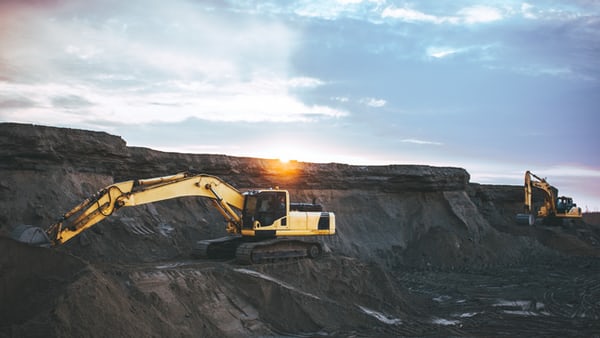
Given its impact on the environment, the mining industry is challenged to become green, or at least as sustainable as possible for an extraction company. Drilling changes landscapes and biodiversity, generates waste, uses large amounts of water and polluting machinery, and the mine environment is dangerous to work in. And this is all the more problematic because most of the products used in the world depend on the mining industry, from the pipes in our homes to the materials in our smartphones. It also plays a key role in sustainable transformation, producing, among other materials, lithium for electric car batteries, silica for solar panels, nickel for electrodes in hydrogen production. As the mines are often located in the emerging countries of the southern hemisphere and the extracted materials are most often used in the developed countries of the north, this accentuates the climatic debt of the “North” to the “South”.
However, some startups are looking at this issue to transform the mining industry into a greener and more sustainable activity.
Sustainable drilling technologies
The drilling phase has the most visible impact on the environment. Huge amounts of soil are moved, roads are built to make way for trucks and heavy machinery, and trenches are dug to divert water. Some startups have focused on designing new drilling methods that reduce the environmental disruption of this process. Earth AI uses artificial intelligence to locate prospective sites for rare materials and is patenting its “zero disturbance drilling hardware” to determine drilling parameters without prior groundwork. Novamera has developed Sustainable Mining by Drilling (SMD) technology, a surgical mining method that extracts ore but leaves waste in the ground. It drastically reduces emissions and waste and consumes less water than conventional drilling methods by recycling it.
Turning to renewable energy
Mining operations often take place in parts of the world that use fossil fuels to power their machinery. As a result, there is growing interest in renewable energy to reduce this significant portion of GHG. Independent energy producer Tugliq provides off-grid, autonomous power supply from solar, wind, and biomass that can be used for mining operations, lowering their dependency on fossil fuels and their carbon footprint. Raglan mine and Tuglic’s partnership has avoided the use of 10 million liters of diesel since 2014 in their Canadian arctic mining operations. Heliogen’s Heliopower solution generates electricity from sunlight to power mining operations with renewable energy. Two months ago, Rio Tinto announced a partnership with Heliogen to reduce their carbon footprint in their Boron mine, targeting a reduction of up to 24% in their CO2 emissions.
Effluent treatment
Part of the negative environmental impact of mining comes from wastewater, which, once used during the mining process, is polluted and difficult to dispense or treat. Some startups like Auxilium Technology Group are addressing this challenge by treating mine effluents and wastewater, retrieving valuable materials such as heavy metals and rare earth elements, and limiting evaporation, thereby reducing the overall water consumption of the process. As for soil contamination, Allied Microbiota develops microbes that break down contaminants in the soil. Instead of moving contaminated soil to a landfill, it can be efficiently treated.
Zero carbon lithium
While some startups have designed greener mining processes, others have developed their own sustainable mining technologies. Lithium, for example, is critical to the transition to electric mobility. Yet conventional mining techniques release a lot of greenhouse gases and use a lot of water. In addition, most of the lithium in Europe is imported, which adds transportation-related emissions. Vulcan energy, GeoCubed, and Cornish Lithium offer zero-carbon production of lithium and geothermal electricity production by extracting a lithium-rich geothermal brine before harvesting the lithium and re-injecting the brine. Because the brine is at a high temperature when pumped at the surface (~165°C), the heat is used to provide geothermal electricity, so the entire process produces more energy than it consumes.
To conclude, the mining industry has yet to be fully transformed. Although a few startups are positioned in the market, it remains complicated to enter given the high upfront capital expenses required. But consumer expectations are putting increasing pressure on players to become more sustainable. Ultimately, recycling remains a solution to reduce mining-related emissions, while improving the lifespan of these materials, reducing the reliance on extraction in developing countries and avoiding emissions related to the transportation of raw materials around the world.
2 Key Figures
35 sustainable mining startups
registered by Tracxn
Green mining market expected to reach $12.9 Bn by 2024
The sustainable mining market was estimated at $9 Bn in 2019 and is expected to reach $12.9 Bn by 2024, at a CAGR of 7.5%
3 startups to draw inspiration from
This week, we identified three startups that we can draw inspiration from: Tugliq, Allied Microbiota , and Cornish Lithium.
Tugliq
Tugliq Energy is a Montreal, QC based private company whose line of business is Electric services. TUGLIQ is a specialist Independent Power Producer (IPP) focused on remote and complex energy diversification for off-grid and/or hybrid applications with solutions tailored to the mining industry, remote villages and islands.
Read more

Allied Microbiota
Allied Microbiota developed biotechnology products designed to clean-up environmental contamination. The company’s products are microbes and their enzymes to create sustainable bio-chemicals, enabling customers to use such microbes for environmental and industrial applications to break down pollutants and reduce contamination.
Read more
Cornish Lithium
Cornish Lithium is a UK based startup operating a lithium mining and exploration company intended to provide environmentally sustainable extraction of lithium. The company’s services aim to create a new, environmentally-responsible, lithium extraction industry, enabling clients to have sustainable products essential for the transition to a green economy.
Read more
Interested in a startup landscape or in an insights report?
Please fill out our contact form so that we can get back to you very quickly with our product offer.
123Fab #43
1 topic, 2 key figures, 3 startups to draw inspiration from

The city of Las Vegas has recently been granted permission to install and test 25 cellular-vehicle-to-everything (C-V2X) roadside units, to transition from Dedicated Short-Range Communications (DSRC) for connected vehicles, to cellular. The objective is to demonstrate the benefits of C-V2X technology, which is said to be as reliable and performant but with twice the range of DSRC. This highlights the growing presence and adoption of Vehicle-to-Everything (V2X) installations within cities. V2X refers to the transmission of information from a vehicle to any entity that may affect the vehicle and vice versa. It includes Vehicle-to-Infrastructure (V2I: data exchange between a car and equipment installed alongside roads, generally a roadside unit), Vehicle-to-Vehicle (V2V: data transfer between vehicles), Vehicle-to-Network (V2N: when a vehicle accesses the network for cloud-based services), Vehicle-to-Pedestrian (V2P), Vehicle-to-Device (V2D) and Vehicle-to-Grid (V2G: information exchange with the power grid). In this newsletter, we will focus on two key components of V2X which are V2V and V2I. The main motivations for V2X are road safety, traffic efficiency, and energy savings. Indeed, according to GSMA forecasts, by 2025, V2X could prevent 260,000 accidents (by detecting road hazards or vulnerable pedestrians and cyclists for example), save 11,000 lives, save 280 million hours of driving each year, and avoid 400,000 tonnes of CO2 emissions (for instance, with platooning, cars or trucks follow each other with short inter-vehicle distance, resulting in reduced fuel consumption and CO2 emissions).
With the advancement of V2X technologies, such as its non-line-of-sight sensing capability that allows vehicles to detect potential hazards, traffic, and road conditions, vehicles are becoming increasingly connected and are being progressively equipped to become fully autonomous. Some legacy V2I technologies are currently in operational use worldwide for relatively simple applications (e.g. for Electronic Toll Collection), while advanced V2X systems are beginning to gain widespread commercial acceptance. They rely on two underlying technologies:
- IEEE 802.11p or DSRC (Dedicated Short Range Communications): this original V2X standard is now mature and mainly used for safety use cases (such as starting to brake before a pedestrian or a hazard is visible to the driver), due to its reliability and low latency (2 ms). However, its range is rather short (less than 1 km). This technology is prevalent in North America, Japan, and Europe.
- Cellular V2X (C-V2X): this relatively new technology offers several operating modes that users can choose from, such as direct communication between vehicles or with the infrastructure and further road users (pedestrians, cyclists). For now, it is mostly used in non-safety-related use cases (vehicle operation management, traffic efficiency, etc.). While this technology has a range of 10km, it requires network support (4G/LTE/5G) and has a higher latency (1s). This technology is very present in China.
Hybrid solutions could be developed by 2030 to achieve interoperability. Startups like AutoTalks are working on such hybrid modules (capable of supporting both DSRC and C-V2X). Indeed, AutoTalks is an Israeli leader that develops fabless semiconductors for the V2X market. They address a variety of issues related to V2X communication, including communication reliability, security, positioning accuracy, and vehicle installation. AutoTalks has developed a chipset capable of supporting dedicated short-range communications (DSRC) and cellular’s C-V2X.
Many OEMs and automotive players are including V2X services into their car models. For instance, Volkswagen has premiered its all-new Golf with V2X capabilities. Car2X-signals from traffic infrastructure and information from other vehicles up to 800 meters away are notified to the driver via a display. The Golf also shares these warnings with other Car2X models. Initially focused on road safety and traffic efficiency applications, Toyota and General Motors were early adopters of IEEE 802.11p-based V2X technologies in Japan and North America. However, the momentum has lately swung in favor of C-V2X and they have expressed their willingness to invest in C-V2X technologies. This is also the path taken by Audi and Qualcomm Technologies, which are deploying a C-V2X technology pilot in Virginia. Workers wear special vests with built-in V2P technology that can alert drivers to their presence.
Besides the challenge of choosing the optimum communication bearer (DSRC, C-V2X, or hybrid), which keeps the industry and the mobile community very active, the security of V2X communication is also a key issue. The regulatory environment is the most important factor influencing the adoption of V2X technology. In China, the government has taken a stand and showcased C-V2X regulations, which should encourage automakers to position themselves quickly. In contrast, in North America and Europe, the governments and transportation ministries are struggling to bring clarity to the industry in terms of V2X, its scope and limitations.
To conclude, there is strong potential for V2X applications, the technologies exist, and it seems that the automotive industry will not wait for regulation to adopt V2X services. However, large-scale adoption will take time, due to the need to equip all infrastructures with adapted devices and the time needed for the automotive players to align on a single (or hybrid) communication technology.
2 Key Figures
433 V2X startups
registered byTracxn
Automotive V2X market expected to reach $12.9 Bn by 2028
The automotive V2X market was estimated at $689 M in 2020 and is expected to reach $12.9 Bn by 2028, at a CAGR of 44.2%.
3 startups to draw inspiration from
This week, we identified three startups that we can draw inspiration from: Valerann, Commsignia, and Connected Signals
Valerann
Valerann is an Israeli start-up that develops sensor systems for installation on roads, and an associated data platform. Their smart studs, installed along the roads, can sense traffic movement, specific weather conditions, road issues and send this data to the central data centre. Combined with intended integrations with Waze, Google Maps, etc., Valerann intends to create a connected real-time traffic notifications and analytics platform.
Read more

Commsignia
Commsignia is a Hungarian start-up that develops cooperative intelligent transportation systems designed to increase traffic safety and efficiency on the road. It includes V2V and V2I communication systems that provide actionable insights pertaining to the logistics pipeline through their in-app information services, thus enabling businesses, corporate clients and logistics industry players to connect with other drivers for various road-safety programs.
Read more

Connected signals
Connected Signals (originally, Green Driver) is an American high-tech startup, focused on providing traffic signal state and predictions to drivers, automakers, and others. Knowing the current state of traffic lights and how they will change creates opportunities to increase driving safety, increase fuel efficiency, and improve the driving experience. Applications range from EnLighten, which tells drivers when the light they are stopped at will turn green, to vehicle powertrain optimisation based on the state of upcoming lights.
Read more
Interested in a startup landscape or in an insights report?
Please fill out our contact form so that we can get back to you very quickly with our product offer.
123Fab #42
1 topic, 2 key figures, 3 startups to draw inspiration from

Since the Paris agreement five years ago, most of the 196 signatories have taken steps to limit global warming below 2°C above pre-industrial levels. The EU has set a carbon neutrality goal by 2050 and a 55% decrease in greenhouse gas emissions by 2030 compared to 1990. Corporations across all industries are also taking action to reduce their carbon impact: from Danone’s commitment to be carbon neutral by 2050, to Carrefour’s 40% decrease in CO2 emissions by 2025 and 70% reduction by 2050 compared to 2010, to Microsoft’s goal to be carbon negative by 2030. Climate consciousness and decarbonization have gained tremendous momentum over the past decade, and customers are increasingly engaged: for a $100 product, they are willing to pay an average of $19.50 more to offset carbon emissions. Demonstrating environmental commitment is now a sine qua non condition for a leading businesses and the most impactful indicator is the quantity of CO2 equivalent released.
To assess the carbon footprint of a company, a wide variety of data is required. Emissions are segmented into 3 scopes:
- Scope 1 represents direct GHG emissions such as emissions from combustion and processes.
- Scope 2 refers to indirect emissions associated with energy consumption, the amount of GHG released to produce the electricity, heat, cold, or vapour consumed.
- Scope 3 gathers all other indirect emissions including those from the upstream and downstream value chain, transportation of persons and goods, waste, purchases of products and services, use of the sold products etc.
For each category, the emission factor (kWh used, litres of fuel consumed, kilometres travelled…) must then be translated into equivalent tons of CO2 emitted. This adds to the complexity of the process as the available data is not always in a good format or directly usable (companies can have different energy contracts in different countries, relying on a complex energy mix and an uneven contribution to energy sources depending for instance on the country’s energy policy).
This study must be carried out for each type of product at each company site, so the difficulty of gathering and translating all the data into CO2 emissions grows exponentially with the size of the company, even if all the data is available. Sometimes the necessary data is not available. For instance, a company’s carbon footprint also includes emissions from employee commuting, which requires assumptions to estimate.
The complexity and cumbersomeness of this process have led to the emergence of new tools to automate the analysis and tracking required for carbon emission accounting.
- Emission tracking: Startups such as Emitwise, Worldfavor, and Position Green have designed software and platforms that gather information from all of a company’s locations to automate sustainability reporting and track emissions. These tools give corporates a better understanding of their carbon emissions and allow them to take the most impactful actions for the environment. Other startups target specific sectors. For instance, Sustainabill focuses on tracking the environmental impact of supply chains and allows businesses to compare the sustainability ratings of their suppliers. CarbonCloud develops automated carbon footprint scoring for the food and beverage industry.
- Emission tracking and reduction: Another way to help corporates reduce their carbon footprint is to provide them with insight. Cozero has developed a platform that automates emission accounting, as well as a digital marketplace that offers low-carbon alternatives to reduce carbon emissions. Klimametrix sends its users individual action plans based on their footprint calculations to help them reduce their CO2 emissions. Planetly has built software to analyze companies’ emissions and suggest actions to reduce them, whether it’s improving production processes, switching to renewable energy or adopting greener transportation for business trips.
- Emission tracking and offsetting: Some startups help reduce carbon emissions by offsetting them, guiding corporates in financing carbon reduction projects to compensate their own emissions. Startups like ClimateSeed and Cloverly help measure your carbon footprint and select relevant carbon reduction projects. You invest in one or more projects and receive carbon credits in line with your emissions. This system allows corporates to invest in reliable and verified projects, and to receive reports on the progress of these projects.
It is more difficult for large corporates to track their emissions accurately due to their large number of inputs, locations and suppliers. In fact, most call on consulting firms to get a tailor-made solution and assessment of their emissions. Last year, Amazon invested in Pachama, a startup that offers offsetting solutions through reforestation and quantifies the carbon absorbed by planted trees. This year, Samsung partnered with Carbon Footprint Ltd to offset the carbon footprint of their washing machines and dryers over their lifetime. ERP companies have a head start on this subject, as their software already handles much of the data needed for carbon accounting. In 2019, Salesforce launched its sustainability cloud and last year SAP launched its carbon footprint analytics to meet the demand for automated carbon accounting.
In conclusion, automated emissions tracking is still an emerging topic, which makes it difficult for companies to choose a tool given the lack of differentiation between them. However, in the coming years, we expect to see an increase in investment in this area, as well as a proliferation of startups. The ones that will stand out from the rest will be those that manage to position themselves in specific and highly regulated sectors; across the entire value chain; with smooth integration within the existing IT infrastructure.
2 Key Figures
95 carbon footprint software startups
registered by Crunchbase
Carbon footprint management market expected to reach $12.2 Bn by 2025
The global carbon footprint management market was estimated at $9 Bn in 2020 and is expected to reach $12.2 Bn by 2025, at a CAGR of 6.2%.
3 startups to draw inspiration from
This week, we identified three startups that we can draw inspiration from: Sustainabill, Cozero, and Cloverly.
Sustainabill
Sustainabill is a Cologne based startup,developer of supply chain management platform designed to achieve multi-tier-visibility and trace supply chains to the source. The platform analyses the entire supply chain network and source of the raw material to collects data from suppliers and sub-suppliers as well as to identify sustainability-related risks.
Read more

Cozero
Cozero developped a digital carbon action platform focused on helping companies take control of their corporate emission data. The companies platform offers tools for end-to-end carbon management, planning, emission accounting and carbon portfolio management to maintain carbon log and forecast carbon output using data analytics, thereby enabling companies to achieve carbon neutralization.
Read more

Cloverly
Cloverly’s sustainability as a service platform calculates the carbon impact of common internet activities like e-commerce shipments, rideshare and on-demand deliveries and then purchases carbon offsets to make those activities carbon-neutral, enabling buyers to view in real-time the source of the offset and through its algorithm matches customers with the closest source of renewable energy for localized impact.
Read more
Interested in a startup landscape or in an insights report?
Please fill out our contact form so that we can get back to you very quickly with our product offer.
123Fab #24
1 topic, 2 key figures, 3 startups to draw inspiration from
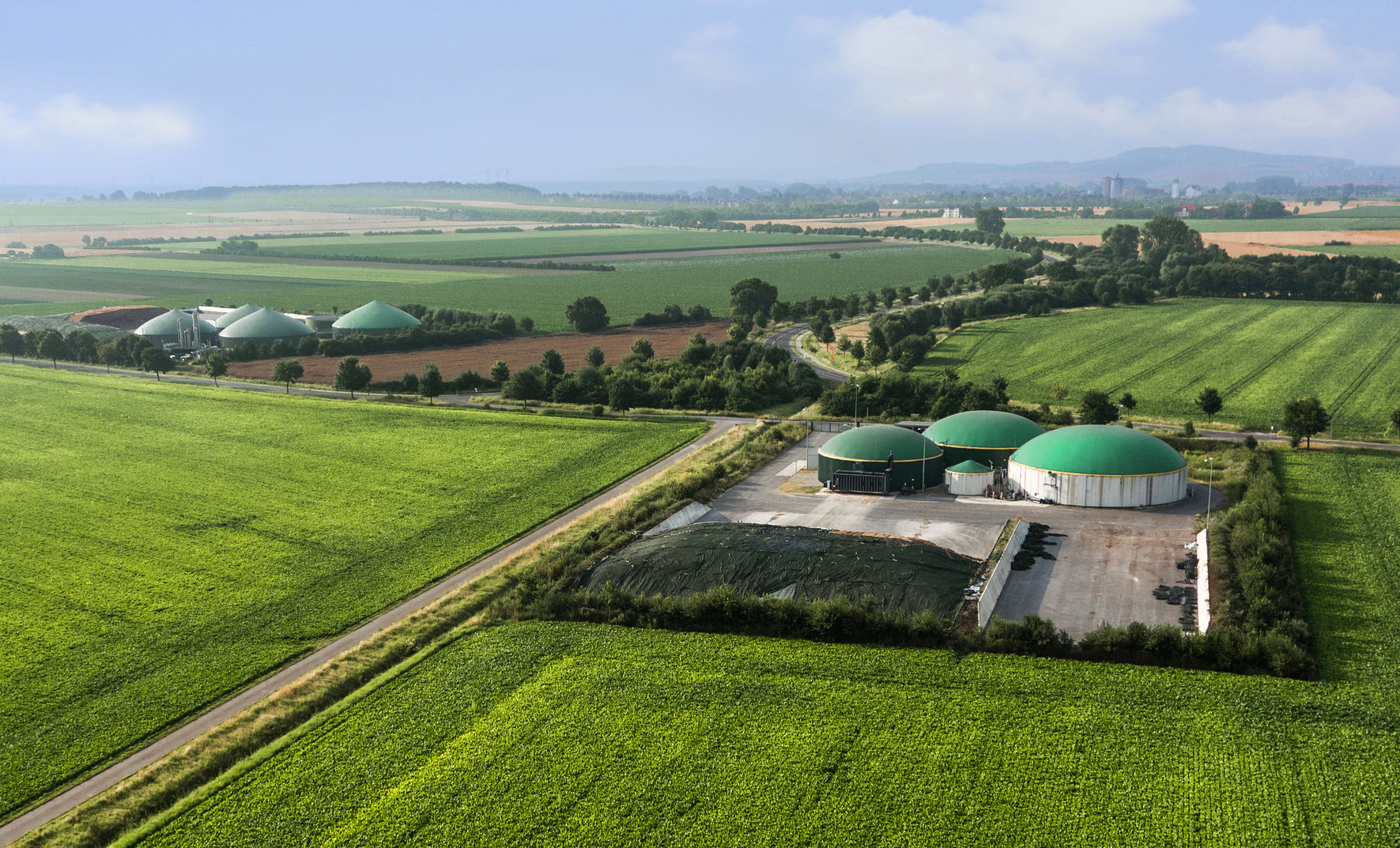
Over the years, the French government has boosted the financial incentives offered to the biomethane industry to reduce the costs associated with the production and operation of units. Whereas the exemption from the domestic consumption tax on natural gas (TICGN) previously applied to biomethane, the French government has just announced that it will no longer apply from January 2021. France Biométhane, a green gas think-tank, deplores this decision which, according to them, discredits biomethane and favors fossil fuels.
Biomethane, defined as a renewable natural gas with properties close to those of natural gas, may well play a major role in building a sustainable energy future according to the International Energy Agency (IEA). Indeed, there is no need to change the transmission and distribution infrastructures or end-user equipment. Consequently, it can be injected into the natural gas distribution network very easily or used as fuel for vehicles (bio-CNG, bio-LNG). It is also comparable to renewable energy since it emits 10 times less carbon than natural gas, can be stored and offers a solution to the intermittent use of solar and wind energy. Finally, it reduces the pressure on landfills and fits into the circular economy. Therefore, there are reasons to believe that biomethane could become more firmly established in the future. How about its economic viability and technical feasibility?
To date biomethane can be produced in 3 ways:
- The biogas road – which uses wet biowaste. It uses the means of anaerobic digestion to convert the biowaste into biogas. The biogas is then purified to remove the CO2 and other contaminants to produce biomethane.
- The syngas road – which uses dry or semi-dry biowaste. It uses the means of pyro-gasification to convert the biowaste into syngas. The syngas is then cleaned and methanised to convert the hydrogen, carbon monoxide and dioxide into methane.
- The hydrogen road – which uses electricity. It uses the means of electrolysis (or power-to-gas) to convert electricity into hydrogen. The hydrogen is then cleaned and methanised to convert it into methane.
In short, there are three main methods for producing biomethane: anaerobic digestion, pyro-gasification and electrolysis. To date, approximately 90% of the biomethane produced comes from anaerobic digestion and the upgrading of biogas. Among the purifying and upgrading technologies, we can find water scrubbing, adsorption, cryogenic separation, membrane technology, etc.
Waga Energy, a landfill gas-to-energy technology firm, is one of the large players in this segment. In 2018 they notably joined forces with environmental services giant Veolia. Since then, Veolia has been using Waga Energy’s Wagabox® technology to produce biomethane using biogas, which is injected directly into the natural gas grid operated by GRDF. In early October, the two players signed a contract to install a purification unit at the waste storage center in Claye-Souilly. This facility, which should be commissioned by February 2022, will produce biomethane from waste and supply 20,000 households in the Paris region with renewable gas.
Last year, France set an objective of injecting 10% of biomethane (21 TWH) into the country’s gas network by 2030, like Denmark is already doing. Numerous biomethane injection sites have seen the light of the day. To date, 133 biomethane injection sites are producing 2.3 TWH per year. With an average annual growth rate of more than 60% over the last 3-4 years, the French goal seems feasible.
However, production costs remain high when taking into account the cost of input supply, the cost of transformation (into biogas/syngas and then into biomethane), and the cost of injection (connection to the energy grid). The price to produce biomethane reaches €95 compared to €20 for natural gas. This is why the development of biomethane will ultimately depend on the policy framework and if the market conditions remain attractive for the project leaders (green gas feed-in tariffs, stability, or reduction of construction and gas connection costs).
Overall, the optimal uses of biomethane are in the end-sectors where there are fewer low-carbon alternatives (high-temperature heating, petrochemical feedstocks, heavy-duty transport, shipping, etc.). There are also other motivations such as rural development (household digesters), energy security (complementing wind and solar PV or substituting imported natural gas) and urban air quality.
2 Key Figures
330 Biomethane startups
registered by Crunchbase
Market size expected to reach $3.4bn by 2027
The global biomethane market accounted for $1.8 billion in 2019 and is expected to reach $3.4 billion by 2027 growing at a CAGR of 8.3% during the forecast period.
3 startups to draw inspiration from
This week, we identified three startups that we can draw inspiration from: CPD-Swiss, Nexus Fuels, and Pyrowave.
Waga Energy
Waga Energy develops, designs, invests and operates WAGABOX® units that recover biogas from landfill sites to transform it into biomethane. Waga Energy uses two upgrading processes: membrane filtration and cryogenic distillation.
Read more
Enosis
Enosis develops a biomethanation reactor that converts biogas, syngas and CO2 into methane and provides flexibility services to the electrical grid.
Read more

Electrochaea
Electrochaea’s proprietary power-to-gas (P2G) process converts renewable energy and carbon dioxide into grid-quality renewable methane for storage and distribution.
Read more
Interested in a startup landscape or in an insights report?
Please fill out our contact form so that we can get back to you very quickly with our product offer.

EIT Health and Biogen are joining forces to launch ‘neurotechprize’ to advance promising technology solutions addressing Alzheimer’s Disease (AD) from around the globe.
Through the neurotechprize, they aim to accelerate the most promising solutions and technologies addressing the challenge of AD in Germany.
Aster Fab is thrilled to have supported Biogen and the neurotechlab in the design and organization of the prize.
**
4 AREAS OF FOCUS
EIT Health and Biogen have identified four areas of focus that could make a difference in the life of people diagnosed with AD:
1. Accelerating the diagnostic pathway
2. Improving disease monitoring
3. Easing burden on patients
4. Maintaining quality of life
**
THE PROGRAM
The program is aimed at health entrepreneurs in the neurotech space seeking support in the validation of their ideas and developing business goals in a supportive and enriching environment.
The program offers participants:
- A tailored three-month journey focused on your team’s objectives, established individually at the beginning of the program
- Intensive mentoring from top experts in business and science
- Access to industry stakeholders
- 10,000€ funding to support participation of founders and/or key team members in the journey
**
ADMISSION PROCESS
Shortlisted teams will be invited for an online interview directly by EIT Health staff and Biogen experts. The interviews will take place between 20-26 January 2022. Shortlisted teams will be able to book the time for the interview via link provided in the invitation.
The application score and the result of the online interview will be combined to draw up a list of teams selected to pitch live in front of the Jury.
Up to 15 shortlisted teams (Semi-Finalists) will be invited to pitch their solution in front of the Jury on February 1st, 2022 to secure their spot in the program. The Jury will select up-to 10 teams (Finalists) who will be invited to enter the program (Finalists).
**
THE PRIZE
The Jury will be able to award up-to two prizes:
- 1st Prize of 100,000€ for the winning solution
- 2nd Prize of 50,000€ for the runner-up
Apply
123Fab #39
1 topic, 2 key figures, 3 startups to draw inspiration from
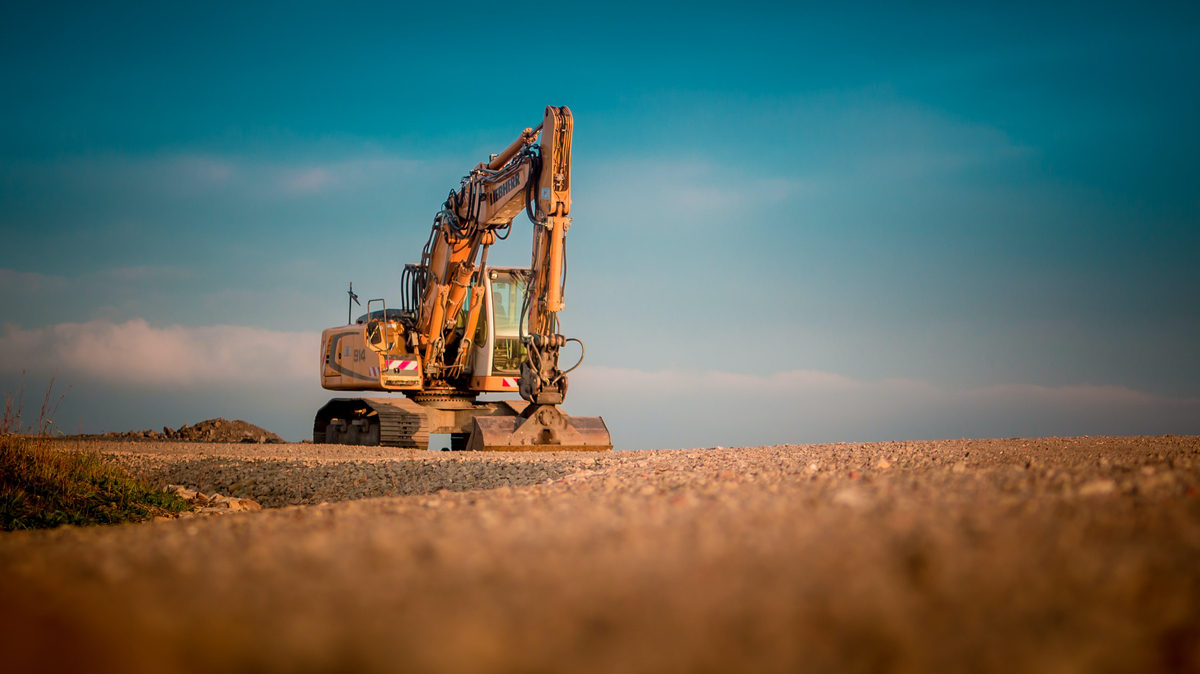
Industry 4.0 and the Internet of Things have transformed the way we view industrial machinery. Whether it’s construction equipment, farm equipment, metalworking machinery, woodworking machinery, forklifts, it’s no longer just about mechanical equipment. Most industrial machines are equipped with a large number of sensors, cameras and are connected to the company’s network. From predictive maintenance to avoid breakdowns to defect detection, connected machinery is significantly improving competitiveness and efficiency. It is also helping to address Corporate Social Responsibility (CSR) issues by increasing operator safety and facilitating their work, as well as energy use efficiency. However, there are two points to note: on the one hand, these machines are on average more expensive than conventional equipment, and on the other hand, with the evolution of technologies, they become obsolete at a higher pace.
To avoid paying the high price of these machines, industrials and corporates have found new ways to access these technologies. One of which is retrofitting. The principle of retrofitting is simple but efficient: any industrial corporate with legacy machines can send them to a retrofitting company, which will retrofit sensors and connectivity panels to make them smart. This avoids paying for a whole new machine that workers do not master and grants access to the latest technology. Some startups, like Teleo, retrofit existing construction equipment into teleoperated robots. Last month, the startup was selected by construction equipment manufacturer Deere & Co. to join its Startup Collaborator program. Other startups, like Kontrol energy corp, aim to reduce energy costs and greenhouse gas emissions in industries by retrofitting energy consumption monitors.
In recent years, another way to reduce the cost of purchasing connected industrial machinery has made inroads: second-hand machinery marketplaces. These platforms were traditionally a B2C tool, but the growing need for cost-effective solutions for industrial machines has led to an expansion of these platforms to a B2B model. Some of them are generalists like Vendaxo, which lists machines ranging from food processing to construction and heavy equipment. Others, like Moov or Makinate, target more specialized segments (semiconductor and metal/plastic industries respectively). Each has its own business model, some focusing on platform assistance, and others offering a wide range of services coupled with their platform: financing, preparation, loading, transportation, and installation like Gindumac.
Another tool to enhance the lifespan of industrial machinery is rebuilding. The machine is completely dismounted, then remounted, and end-of-life parts are replaced. This is often a service offered by Original Equipment Manufacturers (OEM) and specialized companies, as workers must have extensive knowledge of each model.
Although the second-hand market is expected to be worth more than $142 billion by 2026 for construction machinery alone, according to Global Market Insights, there are relatively few startups positioned in the second-hand machinery marketplace segment. In fact, fewer than 10 startups are registered on Crunchbase. This is because the logistics of transporting and storing these machines, as well as the financing involved, are difficult for newcomers to tackle, especially when it comes to international transactions and shipments. That is what leads us to believe, for now, why most startups positioned in the marketplace segment are working primarily on facilitating other aspects of these transactions, such as machine quality checks, escrow payment, or counseling.
One of the big obstacles standing in the way of these platforms is transportation: connecting buyers and sellers from all over the world is one thing, but transporting multi-ton machines from one to the other is another. One thing is sure, there is room for innovative solutions for the disposal of used machinery, whether it’s retrofitting, marketplaces or recycling (like French trains from SNCF). The trend seems to be toward more eco-responsible and reusable machinery.
2 Key Figures
<10 used/second-hand industrial machinery marketplace startups
registered by Crunchbase
Market size expected to reach $142Bn by 2026
The size of the used construction equipment market alone is expected to reach $142Bn by 2026.
3 startups to draw inspiration from
This week, we identified three startups that we can draw inspiration from: Equippo, Moov, and Gindumac.

Equippo
Equippo is a startup founded in 2014 in Switzerland operating an online marketplace intended to simplify buying and selling of used construction equipment. The platform performs machine inspection, manages the payment, shipping, trucking, and clearance of heavy equipment for buyers from all over the world, including markets like South America, Russia, and Poland.
Read more
Moov
Moov is a San Francisco based startup providing online marketplace designed to sell used manufacturing equipment.The platform matches buyers and sellers of pre-owned semiconductor manufacturing equipment and automates documentation, information sharing and the transaction process.
Read more
Gindumac
Gindumac is a German startup operating an online platform for used machinery trading intended for sellers and buyers of industrial machinery. The company buys and sells used machines including machine tools, sheet metal, plastics processing, automation and injection molding machines from various international manufacturers in the metal, sheet metal and plastics processing industries.
Read more
Interested in a startup landscape or in an insights report?
Please fill out our contact form so that we can get back to you very quickly with our product offer.
123Fab #36
1 topic, 2 key figures, 3 startups to draw inspiration from

On the one hand, heating and cooling applications are among the largest energy consumers (about half of the total energy consumption). On the other hand, some of the renewable electricity produced is lost due to non-immediate use, and this will continue to accelerate as renewable energy facilities are being developed faster than batteries and storage solutions. The reconciliation of these two issues, converting electrical energy into heat (or cold), is called Power-to-Heat (PtH). Thermal energy is produced by heat pump technologies or electric boilers. In the context of growing environmental awareness, industrials are increasingly looking for technologies that will enable them to shift from fossil-based industrial heating to electrically-based, power-to-heat processes. These industrial heating applications account for almost 20% of global energy consumption.
These renewable power-to-heat technologies help industries to reduce their CO2 emissions and offer higher flexibility in the power system when equipped with smart load management. Industrial application technologies are already mature and commercially available. However, they have yet to be integrated into hybrid heating systems (e.g. with natural gas).
How does it work? The first step is the delivery of electricity from renewable sources to power stations (which may be large centralized heating production stations or decentralized entities). Infrastructures can be equipped with thermal storage systems, such as those of Form Energy, to enable consumers to use the stored heat and thus reduce the demand on the power grid during peak electricity demand periods. Afterwards, there are two technologies to convert electric power into heat: electric boilers and heat pumps. Electric boilers use electricity to heat water, which is then circulated through pipes to provide space heating or stored in hot water tanks for later use. Heat pumps, on the other hand, transfer heat from the surrounding heat sources to buildings and infrastructures. They can fulfill both heating and cooling requirements — typically using between 66% and 80% of the energy contained in the ambient air, water, or ground, and between 20% and 33% electricity to drive the process.
Where is it used? These technologies are applied in different industries, for several uses. The first example is the food & beverage industry, where heat plants are used in Japan for brewing sake and beer. The Suntory production plants, for instance, use a cogeneration system (combined heat and power) that recovers the heat generated from in-house generation and uses it as a heat source for brewing beer and extracting coffee and tea, increasing energy efficiency to 70-80% and reducing CO2 emissions by 20-30%. Another example is the container washing plant in Spain that uses solar thermal heat. 22% of their hot water (80°C) demand is covered by a solar thermal system based on flat plate collectors, and the remainder is covered by a conventional boiler using natural gas. District heating is also a common application of power-to-heat. In Hamburg, Vattenfall operates an electric boiler that uses excess wind generation, thus avoiding wind power curtailment, to generate district heat in Berlin. The units use electricity from renewable energy sources to heat water, which transmit heat to residences and commercial buildings.
More generally, power-to-heat innovations contribute to the transformation of the power sector in 5 ways:
- Reduction of renewable energy curtailment: the excess of energy is used to address heating needs.
- Increased flexibility through load-shifting: heat pumps can offer demand-side flexibility by switching their electricity consumption from high-demand time intervals to low-demand time intervals to convert electric power into stored heat or cold.
- Large-scale energy storage: the surplus heat (resp. cold) produced with renewable energy in summer (resp. winter) can be stored in thermal reservoirs (mainly aquifers), which then can be used to meet the winter (resp. summer) heating demand, thereby reducing the need for non-renewable heat sources during peak times. The most common solution is the use of Phase-Change Materials (PCM), which are efficient against energy loss and leakage and are substances that release or absorb enough energy to maintain a regulated temperature. A great example of such a process is the Canadian project Drake Landing, which uses solar thermal energy and seasonal underground thermal energy storage for a district heating scheme. It supplies a residential community of 52 households that have seen their greenhouse gas emissions cut down by more than 5.5 times per year.
- Grid services provided by aggregators: new “smart” storage heating solutions are designed to take advantage of variations in electricity prices throughout the day and can be remotely controlled by aggregators to both optimize heating costs for consumers and provide grid balancing services to the national grid.
- Increased self-consumption through renewable local generation: consumers with solar rooftop systems can use the locally generated electricity to power heat pumps.
Ultimately, having understood how power-to-heat systems work and what their benefits are, it can be useful to bear in mind the drivers behind their adoption and the regulations that are put in place. Incentives to decarbonize the heating sector are leading to the deployment of heat pumps at a steady pace. On average, the operating costs of using electricity to generate heat are comparable to those of using fossil fuel-based sources. High-performance heat pumps can generate more than 4–5 kWh of useful heat for every 1 kWh of electricity consumed. Furthermore, regulations are being implemented in pioneer countries, like in Germany, where the Renewable Energy Heating Act bans the use of oil burners to heat new buildings and requires all new buildings to use energy generated from renewable energy sources for space and water heating. Similarly, in 2017, Norway’s Ministry of Climate and Environment passed a law banning the use of oils and paraffin from 2020 in heating applications.
To conclude, now that power-to-heat technologies are mature and up-and-running, more incentives should be brought forwards to increase the use of renewable energy in heating and cooling. Domestic and industrial consumers will need to make upfront investments to shift to renewable energy for heating and cooling applications, and schemes that reduce the economic burden on consumers will encourage faster adoption of renewable energy in heating and cooling. However, these schemes need to be tailored to the needs of different consumer segments, types of buildings (residential vs. industrial), and types of heating system (centralized vs. decentralized), as well as to other external factors, such as the climate zone.
2 Key Figures
177 power-to-heat startups
registered by PitchBook, including 100 “thermal energy storage” startups
Market size expected to reach $369M by 2025
The market size of thermal energy storage is expected to reach $369M by 2025, at a CAGR of over 14.4% from 2020.
3 startups to draw inspiration from
This week, we identified three startups that we can draw inspiration from: Malta Inc, Enerstorage, and Heaten

Malta Inc
The US-based startup Malta Inc builds an electro-thermal energy storage system that converts electricity to thermal energy for storage. It later converts the thermal energy back into electrical energy whenever required
Read more
Enerstorage
The German startup Enerstorage sells power-to-heat plants for industries that require a lot of heat. The PtH systems provide an important link between the heat supply and the power grid, regulate the power grids, and thus lead to a successful energy transition.
Read more

Heaten
Heaten is an industrial startup that provides heat-to-power and power-to-heat machines. Their very high-temperature heat pumps are based on an innovative piston machine technology, which provides an output temperature up to 165°C, which covers 30% of the energy demand of all industrial heating processes.
Read more
Interested in a startup landscape or in an insights report?
Please fill out our contact form so that we can get back to you very quickly with our product offer.
123Fab #35
1 topic, 2 key figures, 3 startups to draw inspiration from
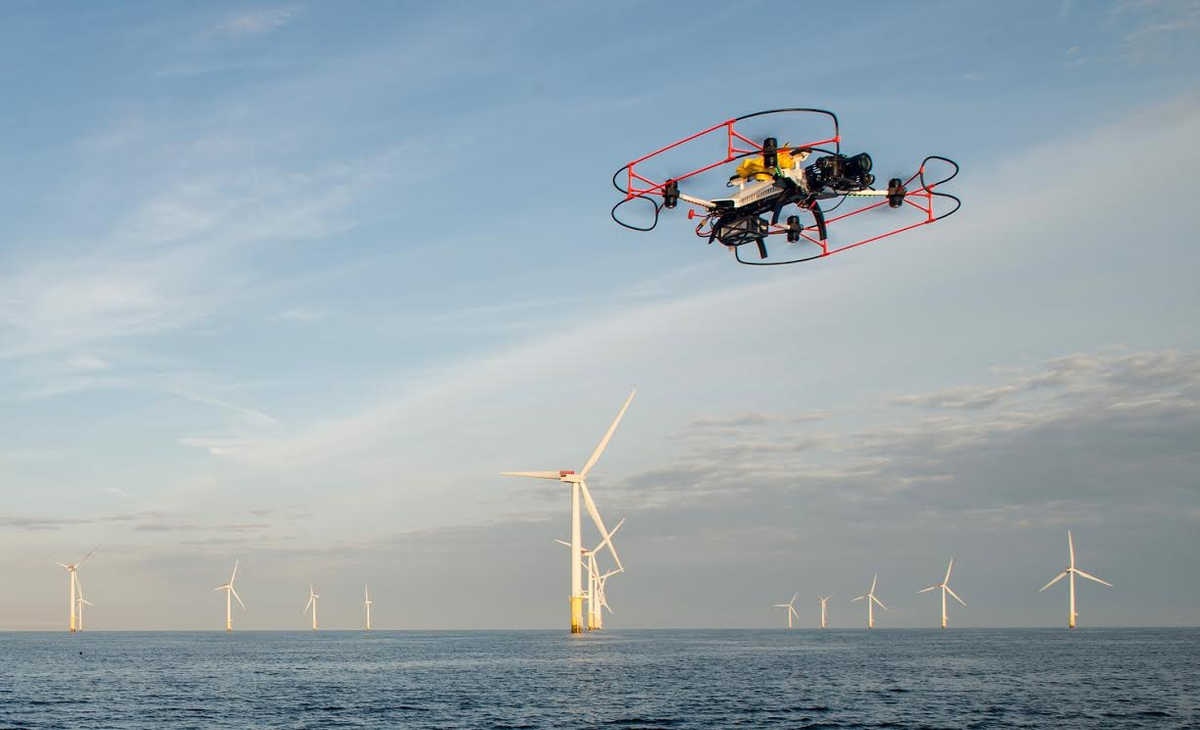
In February, Estonian start-up Hepta Airborne raised €2 million to take its drone powerline inspection solution to the next level. Using LiDAR, thermal sensors and cameras, Hepta Airborne helps automatically detect powerline and power infrastructure defects. This fundraising embodies the current surge in the use of drones for difficult tasks in the industry. Indeed, the overall commercial drone market is projected to reach $43 billion by 2024, up from $587 million in 2016. The volume of VC investments has increased by 21% over the past 4 years, reaching $185 million in 2020. In the coming years, the market is expected to become more concentrated, with the leaders winning out over weaker players, as did the fast-growing start-up Airobotics, which raised a total of $123M in funding over 5 years.
Drones are used in a variety of industries, but above all in 4D situations: dirt, dull, distant, and dangerous. The main industries that use them are the energy sector (both oil & gas and renewables), precision agriculture, construction, and mining. Although regulations are often a hindrance, there are gradually being adapted to each industry and use case, in order to enable the effective use of drones.
The energy sector can greatly benefit from drone inspections, which not only help to reduce costs, but also to prevent disasters and save lives. Indeed, they allow distant and dangerous inspections to be carried out, eliminating the need for climbing wind turbines or reaching offshore oil platforms. Although standards for drone operations are yet under development, they could help expand the use of unmanned aircraft services in the energy industry and boost innovation. The main challenge, however, lies in flights beyond the visual line of sight (BVLOS) – to carry out pipeline and powerline inspections over long distances, for instance – as the detect-and-avoid technology is not sufficiently advanced. Improvements in advanced EO/IR [electro optical/infrared] sensors, acoustic sensors, machine learning, ground-based radar, and other technologies could change the game. Avitas Sytems, a General Electric venture, has developed a digital platform and drone inspection capabilities for pipelines, for instance. Wind turbine inspection can be monitored by drones, such as those of the start-up Aerialtronics.
Drone activity in agriculture continues to increase, and the aerial imagery generated can provide unique insights by scouting crops, reporting crop damage, or determining tile locations. Drone use is mainly justified by a more accurate collection of crop data and the avoidance of dull stains. Over the past ten years, the Federal Aviation Administration (FAA) has continued to review the requirements for the operation of small unmanned aerial systems to create a reasonable legal pathway for use in agriculture. This involves obtaining a remote pilot certificate, registering the drone with the FAA, but also weighing less than 55 pounds, maintaining a maximum altitude of 400 feet, and remaining within the visual line of sight of the remote pilot or visual observer in command. Although these regulations seem restrictive, they enable farmers to use them as part of their needs. The Swiss start-up Gamaya uses HSI (Hyperspectral Imaging) technology deployed using small unmanned aircraft systems for remote sensing and high-resolution imagery. It can be used to diagnose crop diseases, the proliferation of invasive species, and environmental stresses.
As for drones in the construction industry, they are mainly used for surveying and inspection purposes. They perform dull, dangerous, distant, and time-consuming tasks. Drones are equipped with downward-facing sensors, such as RGB, multispectral, thermal, or LIDAR, and capture a large amount of aerial data in a short time. According to a PwC study, the use of drones throughout a construction project provides an unparalleled record of all activities; cuts planning and survey costs; increases efficiency and accuracy and eliminates disputes over the status of a project at a given point in time. Drafted regulations in the construction industry frame the use of drones, without preventing it. Drones can only fly during daylight, must be close enough to the operators to be seen by the naked eye, and cannot exceed a certain altitude and speed. The Swiss start-up Wingtra, which has raised a total of $19M, provides mapping drones for construction sites.
Finally, drones in the mining industry help solve challenges such as better blast optimization, improved safety, faster surveying, and the construction of the most comprehensive and continuous project datasets. On mining sites, drones are used to cover distant areas where foot traffic is not allowed. Their aerial photography and remote sensing allow mining companies to capture all that information without putting someone at risk.
All these examples highlight the significant potential of drones in the industry. Apart from regulation issues, the main factors limiting the massive adoption of drones are technical issues (battery autonomy, drone fleet management, data transfer, etc.) and practical issues (lack of certified pilots, hence the creation of marketplaces for drone rides).
To conclude, the potential of the drone market is high and has not yet reached maturity, and private investors are betting on it. Harmonization of regulations is underway – for recreational drones, the EU announced a continent-wide standardization on January 1st; and technology innovations (battery life, collision avoidance, autopilot, data processing, control & communication systems) should follow to enable democratized use in the industry.
2 Key Figures
1,009 drone startups
registered by Tracxn
Market size expected to reach $43bn by 2024
The market size of commercial drones is expected to reach $43bn by 2024, a CAGR of over 20% from 2018
3 startups to draw inspiration from
This week, we identified three startups that we can draw inspiration from: Percepto, Asylon, and SkySpecs.
Percepto
Percepto is a developer of autonomous drone technology for inspection and surveillance. The company has developed solution to holistically inspect and monitor industrial sites, harnessing remote robotics to autonomously collect, aggregate, and analyze visual data. Percepto operates in mining, oil & gas, industrial sites, and solar energy production sites.
Read more
Asylon
Asylon manufactures and distributes a range of field deployable infrastructure to its clients. Among others, the company manufactures DroneHome, a field-deployable battery swap station. It offers data linking, coverage, mesh networking, and mixed fleet support. Asylon has chosen a robot-as-a-service model, where they provide an end-to-end solution for an annual subscription.
Read more

SkySpecs
SkySpecs is a provider of autonomous drone inspections for onshore and offshore wind turbines. The safety software services include the development of an automated drone inspection feature for applications in wind turbines, utility and other infrastructure operations and maintenance activities and provides an analytics platform that supports workflows at every level of the value chain.
Read more
Interested in a startup landscape or in an insights report?
Please fill out our contact form so that we can get back to you very quickly with our product offer.