
123Fab
1 topic, 2 key figures, 3 startups to draw inspiration from
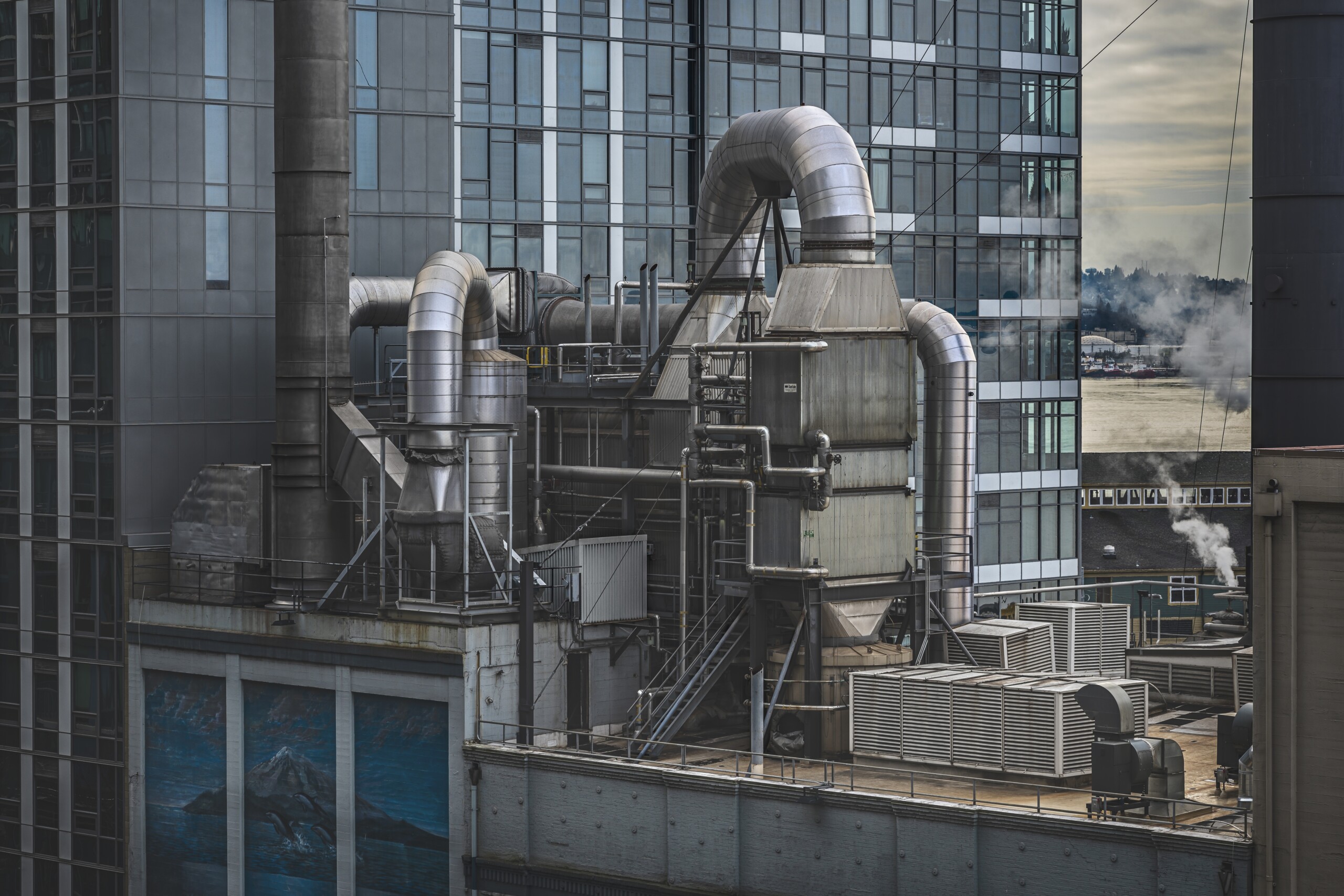
Industrial heat is one of the greatest, and most underrated, decarbonization opportunities in Europe. It currently accounts for almost half of industrial energy consumption and is responsible for more than 40% of industrial CO2 emissions. A change in industrial heat from fossil fuels to low-carbon sources could thus transform European industry and enhance energy independence.
The industrial heat challenge: Europe’s hidden emissions giant
Industrial heat consumption in Europe totals approximately 1,800 TWh annually, representing 72% of industrial energy use. Of this massive demand, roughly 60%, about 1,100 TWh, is currently generated by burning natural gas, oil, and coal, creating a critical decarbonization challenge.
Five industries dominate this heat demand, accounting for more than 80% of total consumption:
- chemicals & petrochemicals;
- non-metallic minerals (cement, glass, ceramics);
- food, beverage & tobacco;
- paper, pulp industry; and
- iron & steel.
Decarbonisation potential varies widely by sector
A closer look at production processes shows that the pace and pathways of the transition differ significantly across industries, mainly due to temperature requirements.
The chemical and petrochemical sectors offer strong short-term potential. Many processes operate between 100°C and 500°C, while pharmaceutical activities often remain below 250°C. These conditions make electrification relatively straightforward, as conventional gas boilers used in key steps such as melting and granulation can be replaced with existing solutions.
In food, beverage and tobacco, temperatures are generally below 200°C. Segments such as dairy, meat and milk processing combine large energy demand with processes that are already compatible with electrification. Cooking and pasteurisation, for example, can be decarbonised using mature technologies such as industrial heat pumps, which are rapidly gaining market share.
Similarly, the pulp and paper industry is technically well suited to electrification. Most production stages operate at low temperatures, and solutions are already available. However, the widespread use of gas-fired cogeneration plants creates structural inertia, as these assets are long-lived.
By contrast, non-metallic minerals and iron and steel present greater challenges. These sectors rely on very high temperatures, often exceeding 1,000°C, which limits the immediate deployment of electrification.
Key technologies driving the transition
European industry is pursuing multiple technological pathways to eliminate fossil fuel dependence, each suited to different temperature requirements and operational constraints.
- Industrial heat pumps
Industrial heat pumps have emerged as the most mature and cost-effective solution for low to medium temperature applications in sectors such as food processing, chemicals, paper, and textiles, where process temperatures typically range from 80°C to 200°C. These systems capture thermal energy from ambient sources, such as air, water, or industrial waste heat, and upgrade it to useful temperature levels with high efficiency. Recent technological advances are further expanding their potential, with next-generation designs now capable of reaching 400–500°C, enabling their use in chemical processes and high-pressure steam production.
For example, BASF is working on plans to deploy large-scale industrial heat pumps at its site in Ludwigshafen, Germany. Comparable in size to a soccer field, these installations are expected to play a major role in the company’s climate strategy. By recovering waste heat from chemical plants and cooling systems to generate a large share of the steam used in manufacturing, the project aims to significantly reduce reliance on fossil fuels.
- Thermal energy storage (TES)
TES systems convert surplus renewable electricity into heat, store it in materials such as molten salt, sand, or ceramics, and release it on demand. By decoupling heat production from real-time power generation, they enable industries to benefit from low-cost wind and solar energy while also supporting grid flexibility.
For instance, Rondo Energy provides high-temperature renewable heat without major infrastructure changes by storing intermittent electricity as heat and delivering it as steam or hot air. A partnership between Heineken and Rondo will deploy a 100 MWh thermal storage system at a brewery in Lisbon, Portugal, helping the site move toward clean, zero-emission steam.
- CCUS
CCUS can complement Europe’s industrial heat transition by reducing emissions in sectors where fuel switching is technically or economically challenging in the short term. By capturing CO₂ from industrial processes, it can help maintain competitiveness while low-carbon heat solutions scale up. This makes CCUS particularly relevant for cement, glass, and steel, where process emissions are significant and alternatives remain limited. In this sense, it acts as a bridge technology within Europe’s broader pathway from gas to green energy.
- Low carbon fuels
Low- and zero-carbon fuels offer another pathway for high-temperature and hard-to-abate processes. Hydrogen, ammonia, biofuels and synthetic fuels can replace fossil fuels to generate process heat, significantly reducing combustion-related emissions. While costs and infrastructure remain key challenges, these solutions are expected to play an essential role in Europe’s long-term industrial transition.
The transition from fossil fuels to clean industrial heat is already underway. What was once seen as a technical constraint is becoming a source of innovation, resilience and long-term competitiveness. As electrification, storage, low-carbon fuels and CCUS continue to scale, European manufacturers have a growing set of viable options to reduce emissions without compromising performance.
2 Key Figures
1,100 TWh
Addressable market for heat decarbonization in Europe
40%
Share of global CO2 emissions generated by industrial heat consumption
3 startups to draw inspiration from

Epyr
This french startup develops TES solutions that enable industries to transition from fossil-based heating to clean, cost-effective, and on-demand thermal energy.
Radiant Energy
Has developed Belenos, an innovative high-temperature heat solution based on advanced solar concentration. It enables industrial players to generate heat from approximately 200°C to over 1000°C, providing a competitive, low-carbon alternative to fossil fuels.
Kraftblock
This German startup develops modular high-temperature thermal energy storage systems that help decarbonise industrial heat.
Interested in a startup landscape or in an insights report?
Please fill out our contact form so that we can get back to you very quickly with our product offer.
Want to subscribe to our 123Fab?
Fill out our form to receive the latest insights into your inbox.